Wunderkammerkŏri (2019 - ongoing )

The Wunderkammerkŏri archive gathers selected objects contributed by the artist and an invited network. Each object carries personal, cultural, and historical meaning, shaped by acts of care, transmission, and concealment. This archive does not aim for completeness. It reflects a finite, edited collection formed under specific social, political, and institutional conditions, including moments of interruption and censorship. Together, the objects trace alternative genealogies of value, inheritance, and knowledge beyond colonial and patriarchal systems of collecting.

Wunderkammerkŏri adapts Samuel Quiccheberg’s Inscriptiones vel Tituli Theatri Amplissimi (1565), one of the earliest treatises on museum organization. Between 2019 and 2026, contributors were invited to submit objects through a custom accession form that reimagined Quiccheberg’s taxonomy for the present. Each object was classified according to one of five classes and multiple inscriptions, creating an evolving collection shaped by migration, kinship, diaspora, social movements, inheritance, and acts of care.

All photos unless noted are by Aleks Slota.
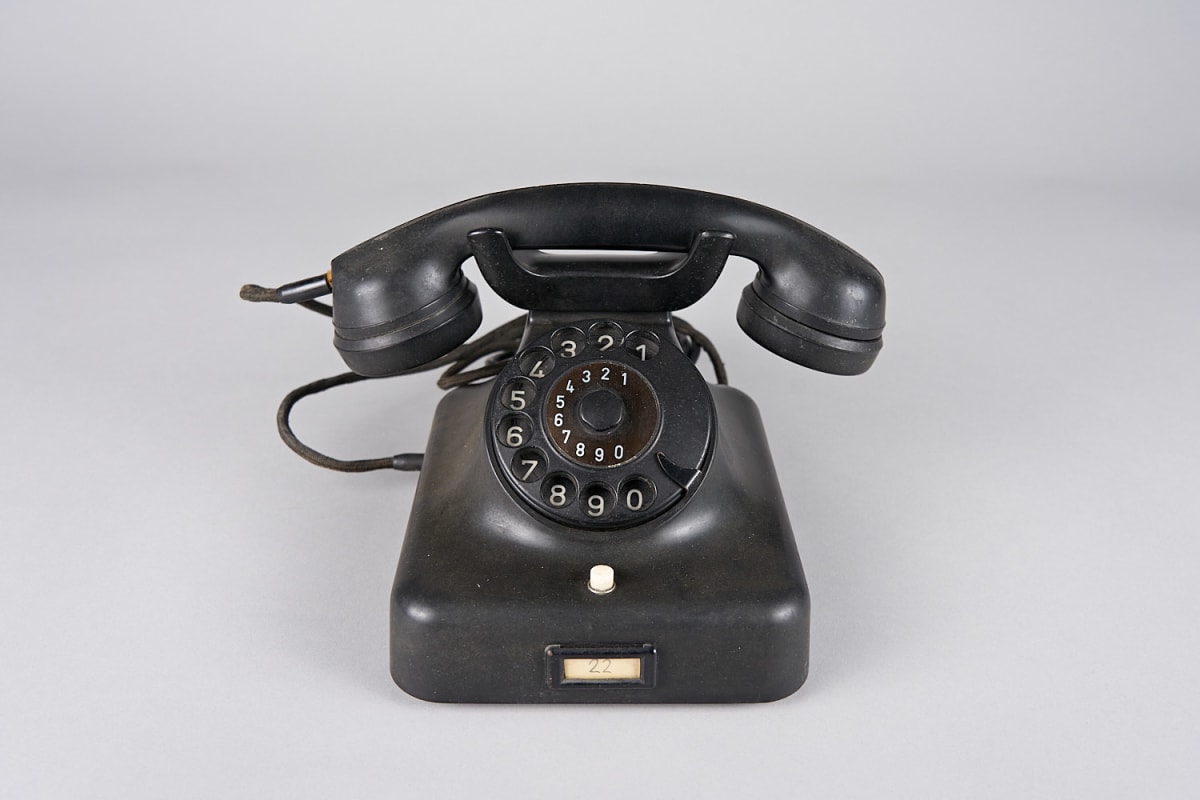
Floor: Grandfather’s Telephone
Entered the collection 2021
Submitted by Bernard Josef Draz
Rotary dial disk telephone, 15 x 15 x 20 cm
4th Class: Inscription 3

This rotary dial telephone belonged to the donor’s grandfather and remained in the family after his death. Dating to around 1940, it is one of the few objects connecting the donor to a grandfather whose experiences during the Second World War were rarely discussed within the family.

The telephone was submitted to Wunderkammerkŏri as an object of communication and inheritance. For the donor, it serves as a tangible link between personal family history and broader histories of war, division, and their lasting consequences.

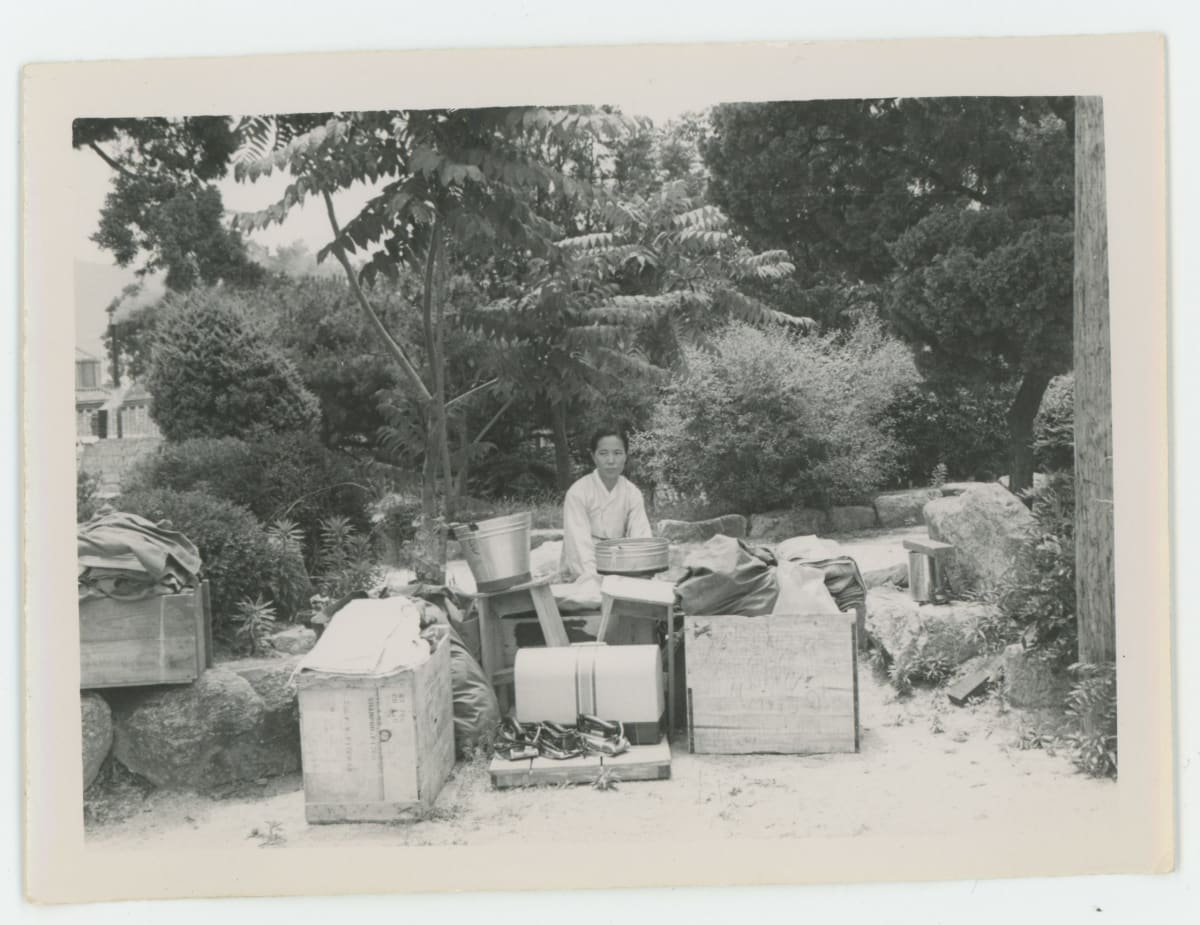
Floor: Korean Woman Washing Laundry for the 501st Military Intelligence Brigade
Entered into the collection 2026
Submitted by Blair Naujok, Korean Image Archive
Archival photograph, 10.5 x 15 cm
5th Class: Inscription 6

This photograph was acquired by the Korean Image Archive as part of a larger group of photographs purchased from a private antiques seller. Taken in Seoul on June 12, 1954, it depicts a Korean woman washing laundry for the 501st Military Intelligence Brigade. Although little is known about her identity, the photograph preserves a brief record of her life in the years following the Korean War.

The woman pictured was more than someone who washed laundry for a foreign military force. She found a way to survive civil war, continued division, possible family separation, and their lasting consequences. While her name is unknown, the photograph preserves a trace of her life and strength.

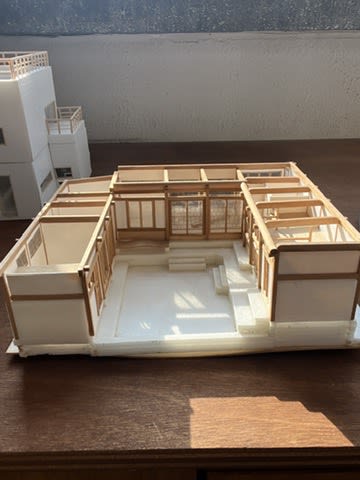
Floor: Hanok
Entered the collection 2026
Submitted by Daniel Taendler
Created by Urban Detail Architecture
Architectural model made of wood and styrofoam
1st Class: Inscription 9

This architectural model of a hanok, a traditional Korean house, was created by architect Daniel Taendler through his practice, Urban Detail Architecture. Constructed from wood and styrofoam, the model reflects a building tradition that has shaped Korean domestic life for centuries.

The founder and Taendler, friends for more than twenty-five years, chose the model together as an object for Wunderkammerkŏri. As an architect of Korean and German heritage whose work focuses on hanok architecture, Taendler’s model reflects both a professional engagement with Korean building traditions and a connection to his diasporic identity. Within the collection, the hanok serves as a representation of home, heritage, and the transmission of cultural knowledge across generations.

Note: iphone photo by the submitter, professional photo coming soon

Floor: Adler Erika
Entered the collection 2022
Submitted by Eva Noack
Stuffed duck, 39 cm x 15 cm x 38 cm
3rd Class: Inscription 1

Adler Erika entered Eva Noack’s life by accident. While working on a series of text-image works in 2018, she was offered a second typewriter by a friend who knew someone trying to clear out an apartment filled with belongings. When the day came to collect the machine, the typewriter could not be found among the clutter. Instead, Eva was offered a stuffed mallard duck.

Without hesitation, she welcomed the bird into her growing family of taxidermied animals and continued her work with a single typewriter. Although the duck never served its intended purpose, Eva came to see it as connected to her artistic practice. Originally rescued from an overcrowded storeroom, Adler Erika entered Wunderkammerkŏri and found a new home among other curious and unexpected objects.

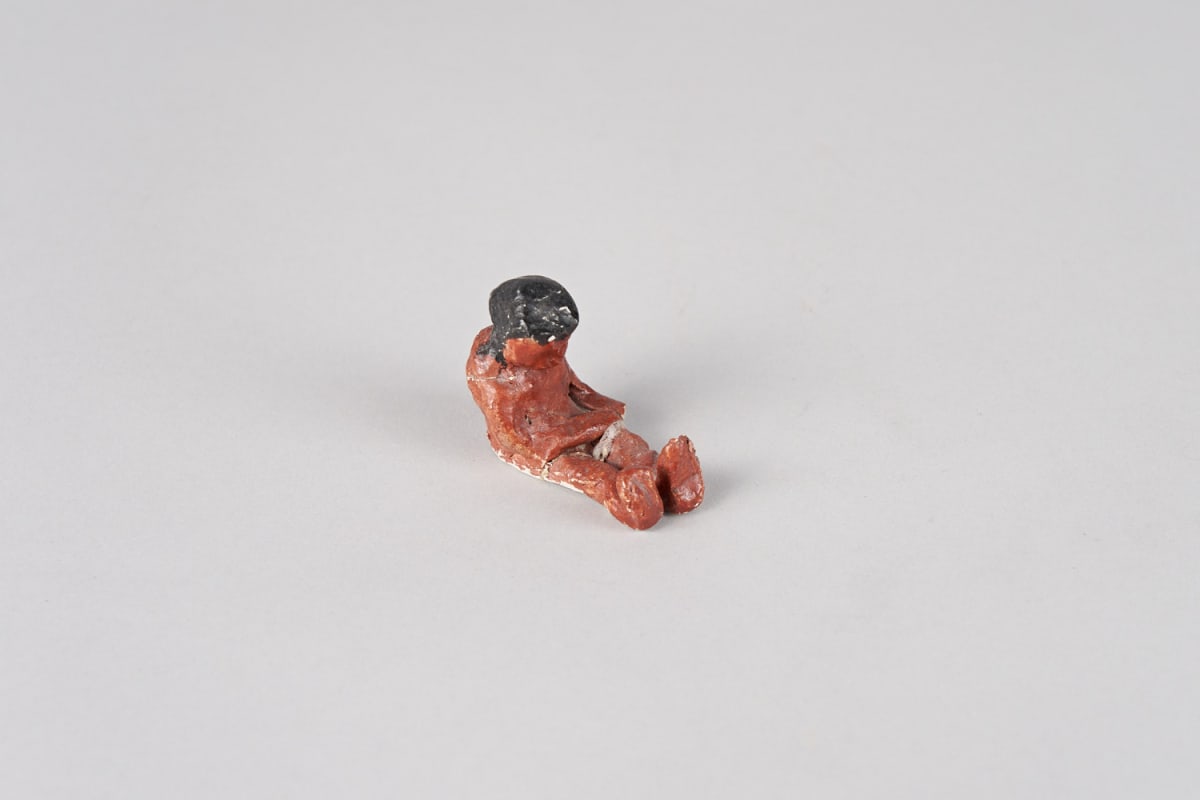
1. Console
Foreign Child
Entered the collection 2022
Submitted by Dorothea Löbbermann
Created by Dorothea Löbbermann (as a child)
Clay figure, 4.4 x 2 x 5.5 cm
2nd Class: Inscription 1

Dorothea Löbbermann made this small clay figure as a child in 1960s West Germany. After her mother kept it for many years, the object returned to her possession following her mother’s death.

Titled Foreign Child, the figure reflects a white West German child’s imagination of the “Other.” Looking back, Löbbermann recognized how deeply her childhood fantasies were shaped by stories of poverty, adoption, and the idea that distant nations needed Western help. She recalls inventing sentimental adoption narratives and even playing a game in which she became the “foreign child,” waiting to be found and adopted. The figure stands as both a personal artifact and a reflection on the colonial, racial, and paternalistic ideas that informed her childhood worldview.

1. Console
ONE MILLION Item 2662
entered the collection 2022
submitted by the artist Uli Aigner
porcelain vessel, height 10 cm, diameter 5 cm
2nd Class: Inscription 3
5th Class: Inscription 1

ONE MILLION Item 2662 was made by Uli Aigner in February 2018 as part of her lifelong project ONE MILLION, an ongoing effort to create one million unique porcelain vessels by hand. The vessel was given to the founder during the first visit to the ONE MILLION ZENTRALE BERLIN (OMZB) in 2021.

Artist, mentor, and friend, Aigner has played an important role in the founder’s artistic development through the German Arts Council mentoring programme. By entering Wunderkammerkŏri, Item 2662 connects two artist-built collections while also carrying the history of a personal and professional relationship. The vessel reflects mentorship, friendship, exchange, and the movement of objects between everyday life and collections.

1. Console
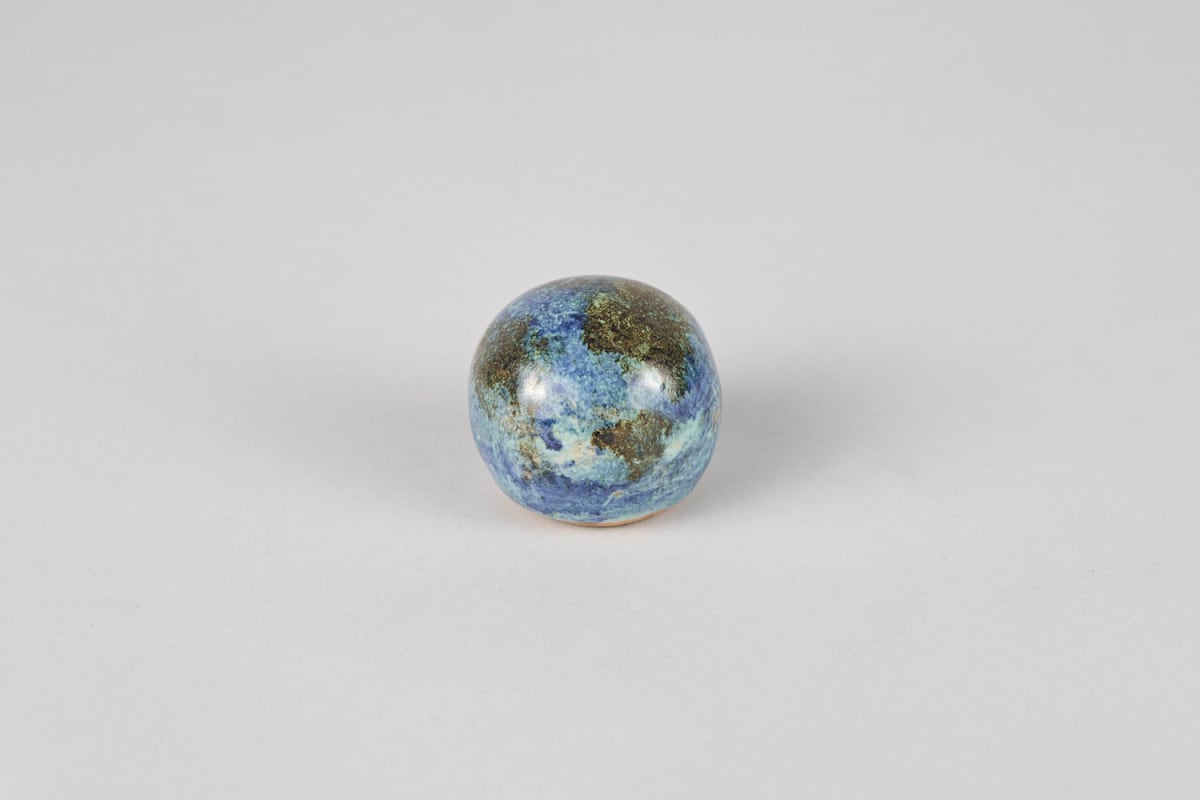
Pinch Pot
Entered the collection 2022
Submitted by Kim Stoker
Created by Kim Stoker (1991)
Ceramic vessel
2nd Class: Inscription 5

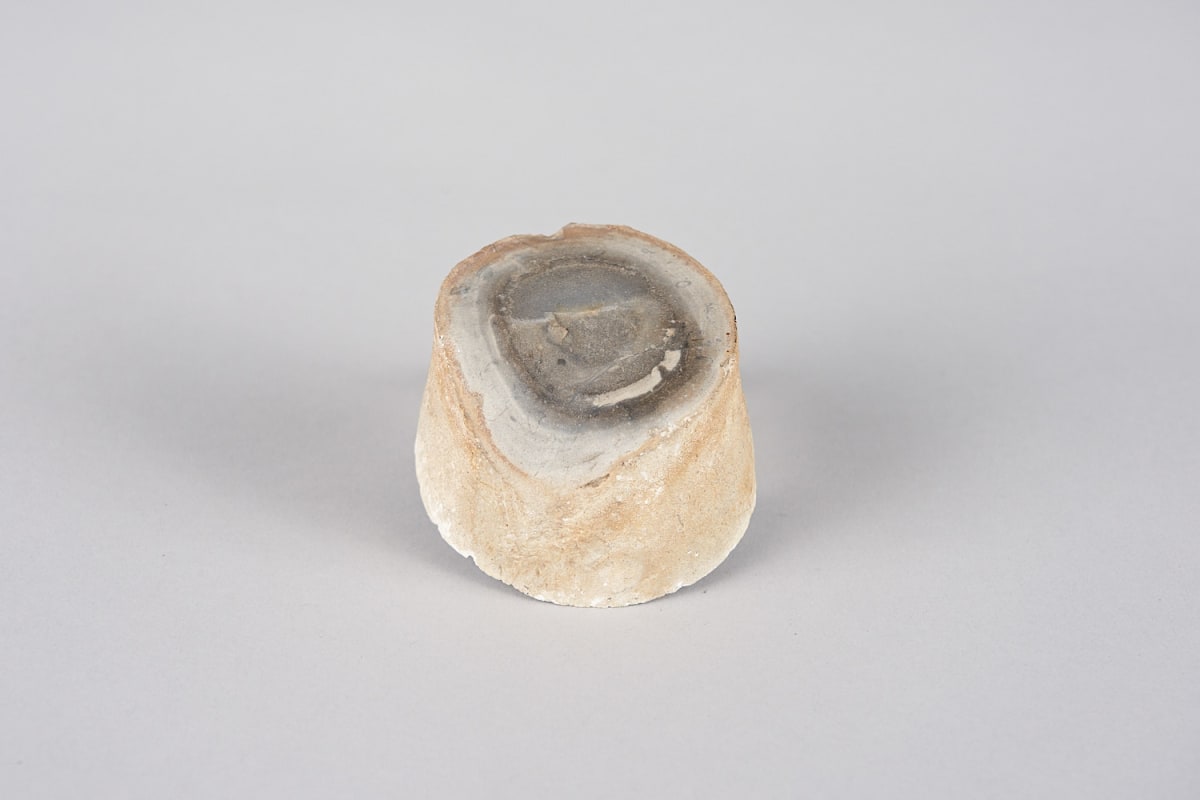
Pinch Pot was made by Kim Stoker in 1991 during her first ceramics class at the University of Mary Washington in Virginia. Created as a simple stoneware vessel, it marks the beginning of a lifelong engagement with ceramics that continued through subsequent homes in Honolulu, Seoul, and Los Angeles. For Stoker, the pinch pot represents both a creative beginning and a universal artistic tradition. Unlike wheel-thrown pottery, a pinch pot is shaped entirely by hand and retains the traces of its maker. The iron and cobalt oxides over a blue glaze create earth-like colors that came to symbolize the global perspective and travel experiences that would later shape her life. Displayed upside down, the vessel resembles a globe, reflecting both movement across places and the enduring presence of a humble object carried through decades of personal journeys.
2. Console
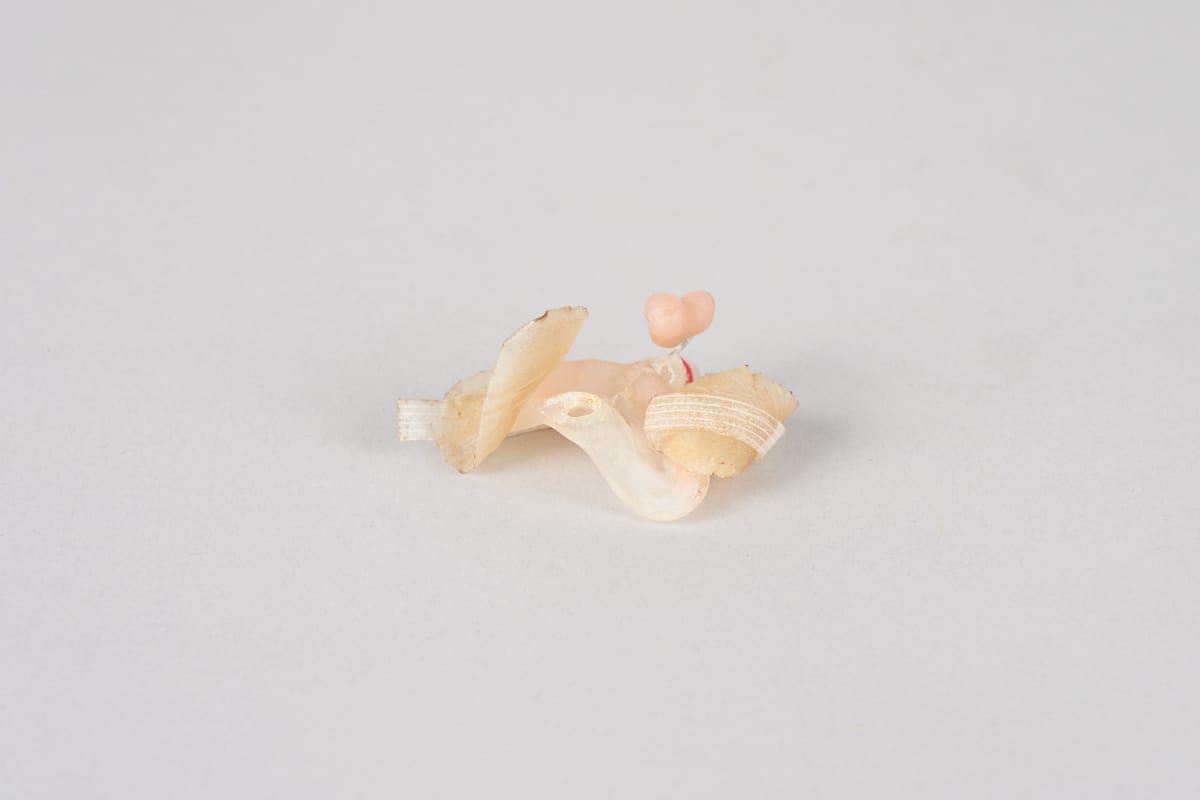
NAM (Nasoalveolar Molding) Device
Entered the collection 2022
Submitted by Reiner & Charlotte Leist
Medical device, 3 x 6 x 4 cm
4th Class: Inscription 6

This nasoalveolar molding (NAM) device belonged to Charlotte Leist and was used during infancy as part of the treatment process for a cleft lip and palate. Developed to help shape the gums, lip, and nose before corrective surgery, the device represents an early stage of medical care and development. The object carries multiple layers of meaning that extend beyond its medical function. It is both a specialized clinical instrument and a personal artifact connected to Charlotte’s earliest experiences of growth, care, and healing. Preserved long after its practical use ended, the device stands as a record of resilience, family support, and the long view of human development.

2. Console
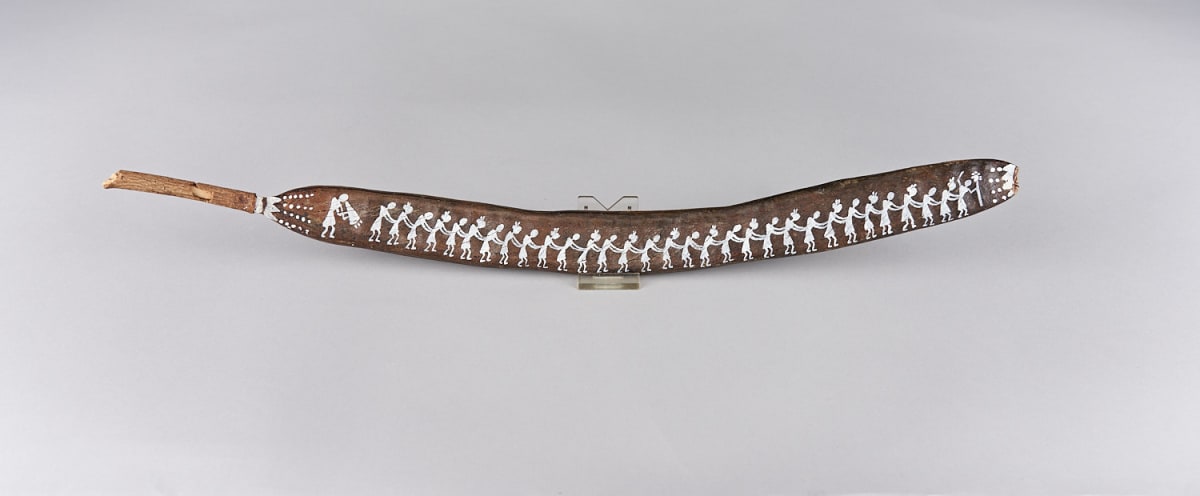
Warli Seed Pod Painting

Entered the collection 2022
Submitted by Anuj Vaidya
Created by Sheetal Bhoir from the Warli tribe, western India
Seed pod, 1 x 16 x 25″
3rd Class: Inscription 5
5th Class: Inscription 1

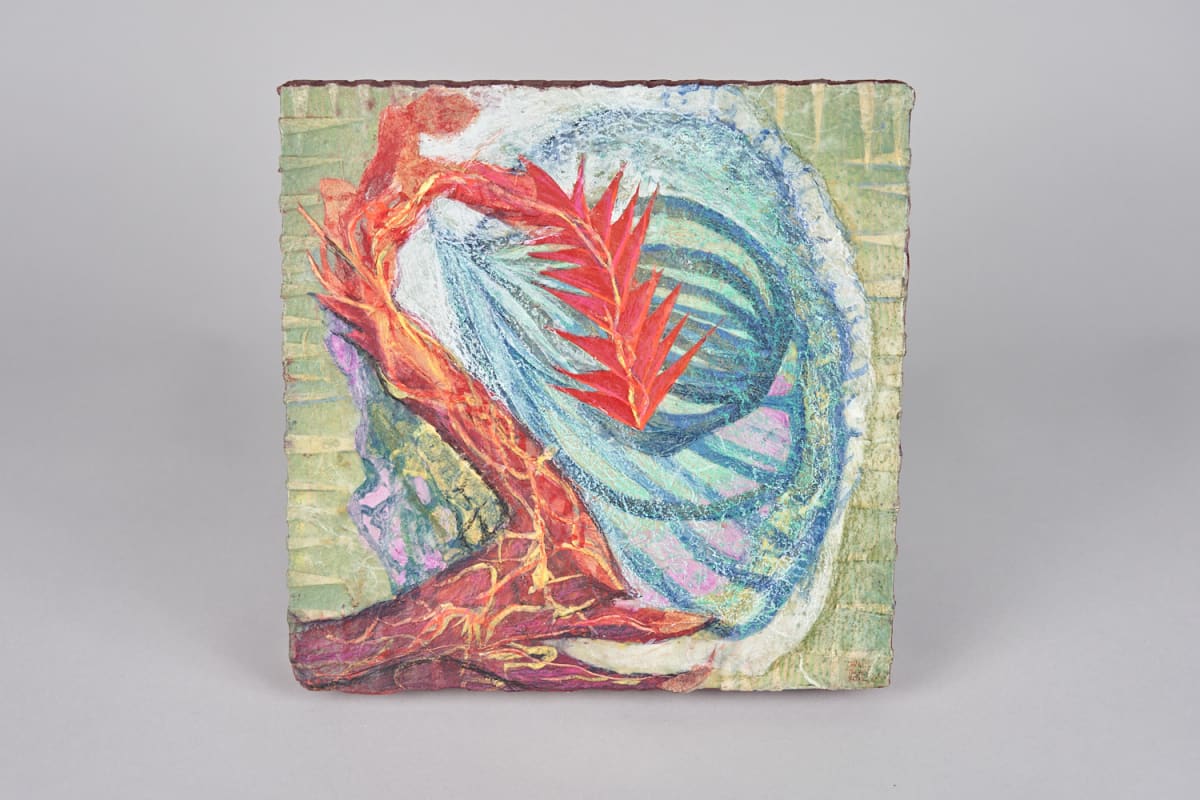
This seed pod painting was created by Sheetal Bhoir, a Warli artist from western India, and entered Wunderkammerkŏri through anthropologist Anuj Vaidya. The seed pod comes from the Aarey Forest in Mumbai, where the Bhoir family has lived for generations and where they have been active participants in the #SaveAarey movement, a campaign to protect the forest and its communities from development.

The work was given to Vaidya by Sheetal Bhoir when he left Mumbai in 2019 after conducting fieldwork in the region. While Warli art has gained international recognition, many of the women who have traditionally preserved and transmitted the practice have received less visibility than their male counterparts. Bhoir’s painting reflects both the continuity of Warli artistic traditions and their ongoing transformation through contemporary experimentation. Combining a traditional visual language with the unusual surface of a seed pod, the work connects artistic practice, environmental stewardship, and Indigenous cultural knowledge.

3. Console
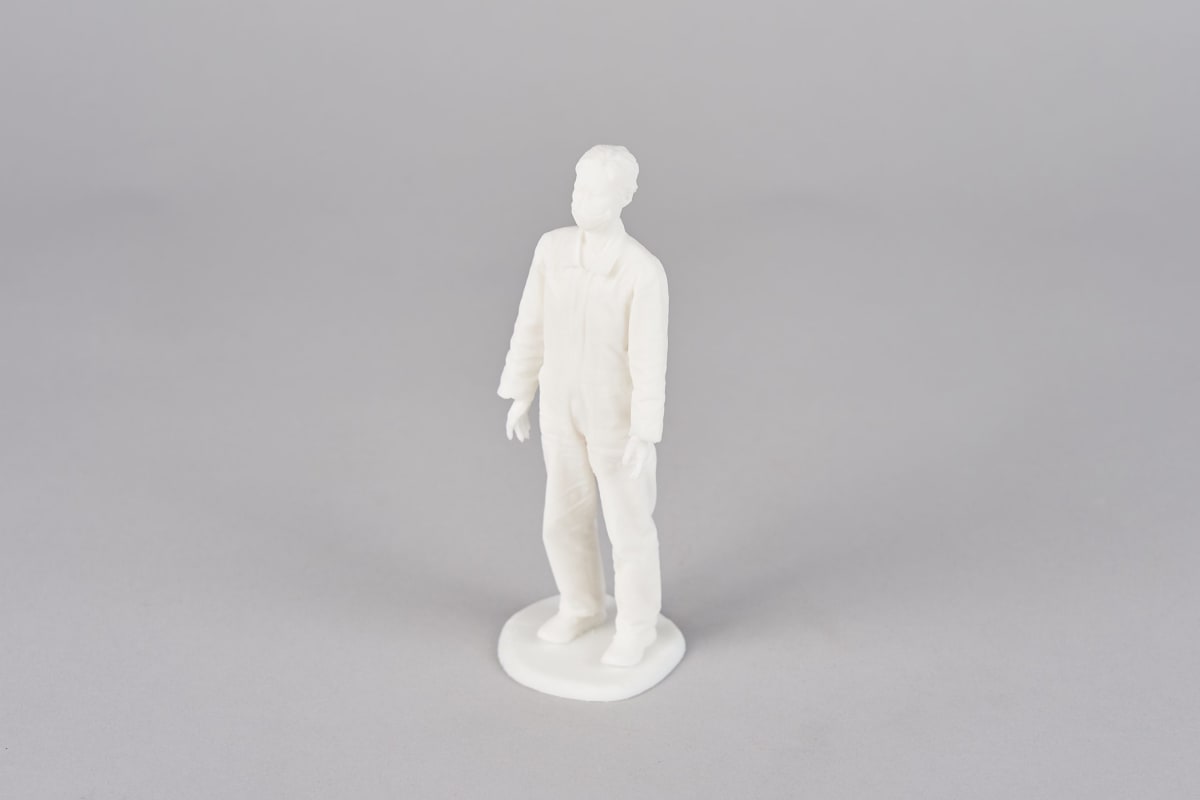
Self-Portrait of the Founder 

Entered into the collection 2022
Created by the founder
Resin, 16.5 x 6 x 6 cm
1st Class: Inscription 3

Created by the founder in 2022, this resin self-portrait entered Wunderkammerkŏri as a representation of the collection’s creator. While most objects in the collection arrived through the contributions of others, this work acknowledges the founder’s own place within the archive.

Early modern collectors often cultivated practical and artistic skills alongside their collections. In Europe, this included knowledge of artisanal practices such as carving, turning, engraving, and metalwork. In East Asia, scholars similarly developed expertise in calligraphy, painting, poetry, seal carving, and connoisseurship. Cast in resin through a contemporary sculptural process, the self-portrait reflects these traditions of learning through making and collecting. Positioned within the category dedicated to portraits of the founder, it serves as both a likeness and a reminder that every collection bears the imprint of its creator.

3. Console
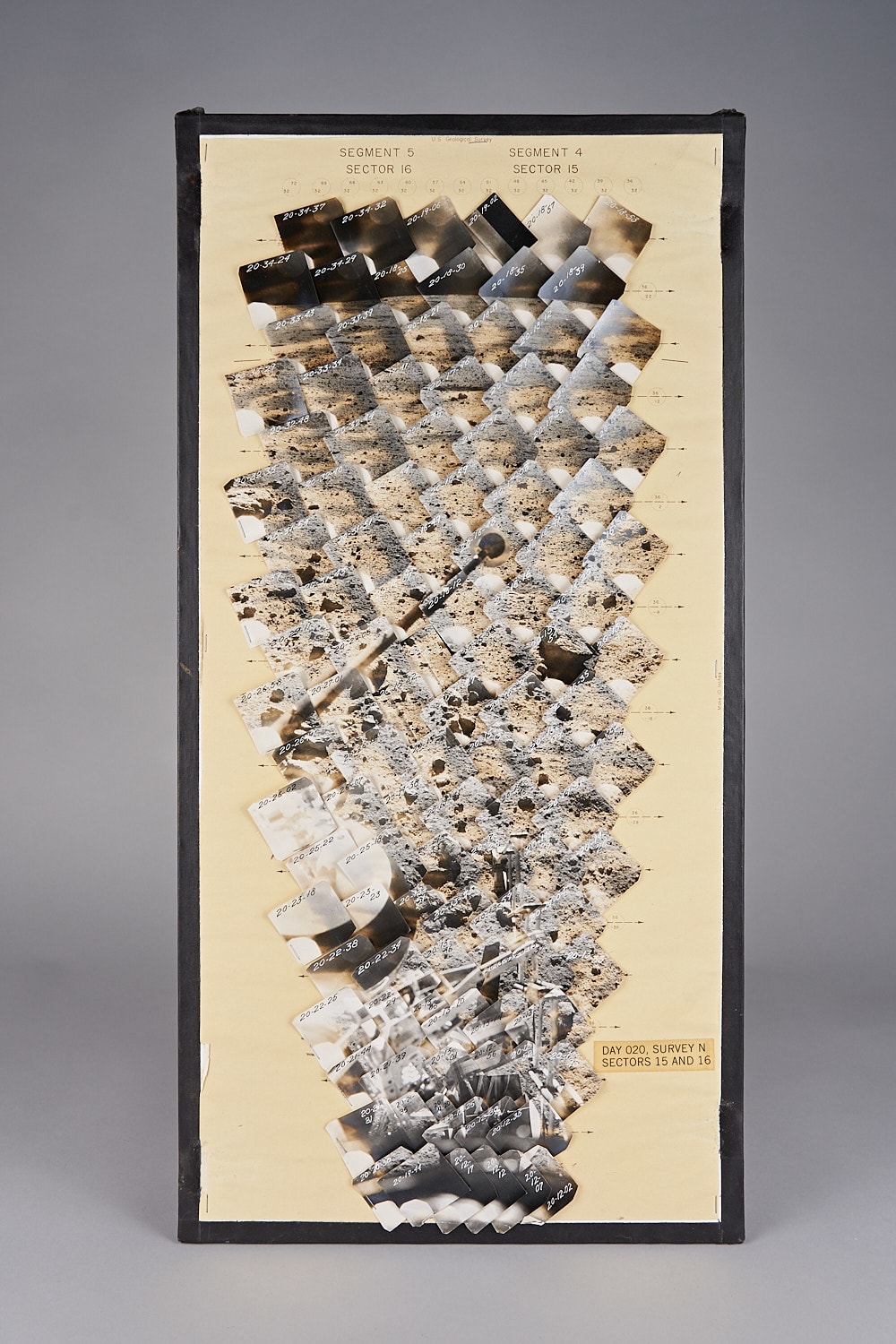
USGS Photogrammetric Survey Mosaic (mid-late 20th century)
Entered the collection 1988
Submitted by Ubu
Photographic map of the moon
1st Class: Inscription 1
1st Class: Inscription 4
3rd Class: Inscription 12

This photographic mosaic of the Moon was produced by the United States Geological Survey as part of a photogrammetric mapping project during the mid-to-late twentieth century. Composed from multiple images, the map reflects scientific efforts to document and understand Earth’s nearest celestial neighbor. The object entered the collection in circa 1988 as a gift from a colleague of the founder’s mother known by the nickname “Ubu.” A musician and repairer of musical instruments, he acquired the map through one of his workplaces and later passed it on to the founder. As a child, the founder remembers people greeting him with the phrase “Sit, Ubu, sit. Good dog,” to which he would respond with a bark.

Within Wunderkammerkŏri, the map exists simultaneously as a scientific document, a cartographic representation, and a trace of a remembered individual. It reflects the unexpected ways knowledge, objects, and personal histories are passed from one person to another.

4. Console
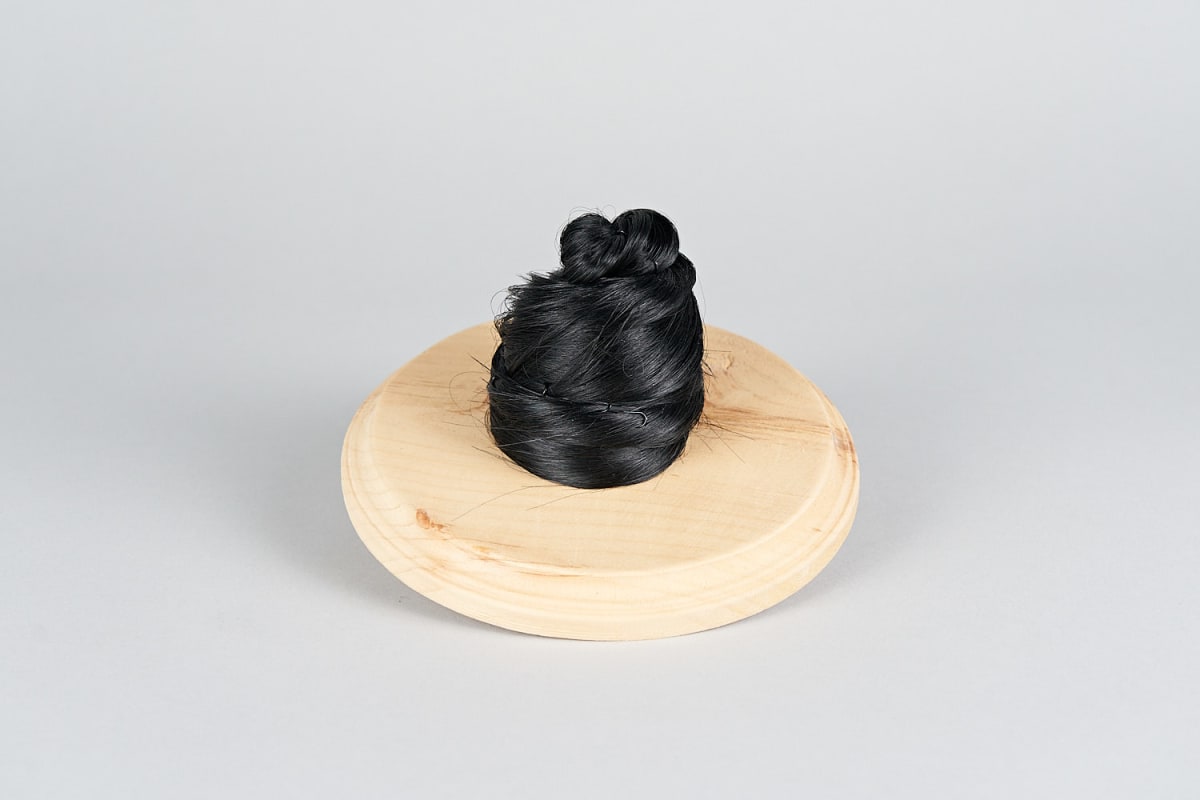
The Sangtu (Topknot) of the Last King of Korea

Entered the collection 2022
Created by the founder
Resin replica of the original hairpiece (1895)
4th Class: Inscription 11

Created by the founder in 2022, this resin replica is based on the sangtu (topknot) of King Gojong, the last king of Korea. Mounted on a wooden plaque, the work references the 1895 Danbalryeong (Short Hair Edict), issued during a period of increasing Japanese intervention in Korea. In the same year that Queen Min was assassinated by agents acting under Miura Gorō, Japanese officials pressured King Gojong to cut his topknot and required Korean men to adopt shorter hairstyles in the name of modernization. Because the sangtu carried deep cultural, social, and political significance within Korean society, the decree provoked widespread resistance and was eventually reversed. Presented as a disembodied relic, the replica transforms a hairstyle into a historical artifact. The work reflects on the body as a site of political control and on the ways cultural traditions can become targets of colonial intervention.

(Not currently on display for conservation reasons)
The Sangtu (Topknot) of the Last King of Korea
Entered the collection 2020
Said to be the topknot of King Gojong (1852–1919)
Human hair
3rd Class: Inscription 4
4th Class: Inscription 11

This is the topknot of King Gojong (1852–1919), the final king and first emperor of modern Korea. Preserved apart from the body that produced it, the sangtu appears as both relic and specimen, suspended between history and mythology.

In 1895, following the assassination of Queen Min and during a period of increasing Japanese intervention in Korea, Gojong was compelled to cut his topknot as part of the Short Hair Edict. Because the sangtu carried profound cultural significance, the decree provoked widespread resistance throughout the kingdom and was later reversed.

Within Wunderkammerkŏri, the object functions as a royal relic, a bodily fragment, and a political symbol. Whether approached as historical evidence, cultural memory, or cabinet curiosity, it bears witness to a moment when the body itself became a site of colonial power.

4. Console
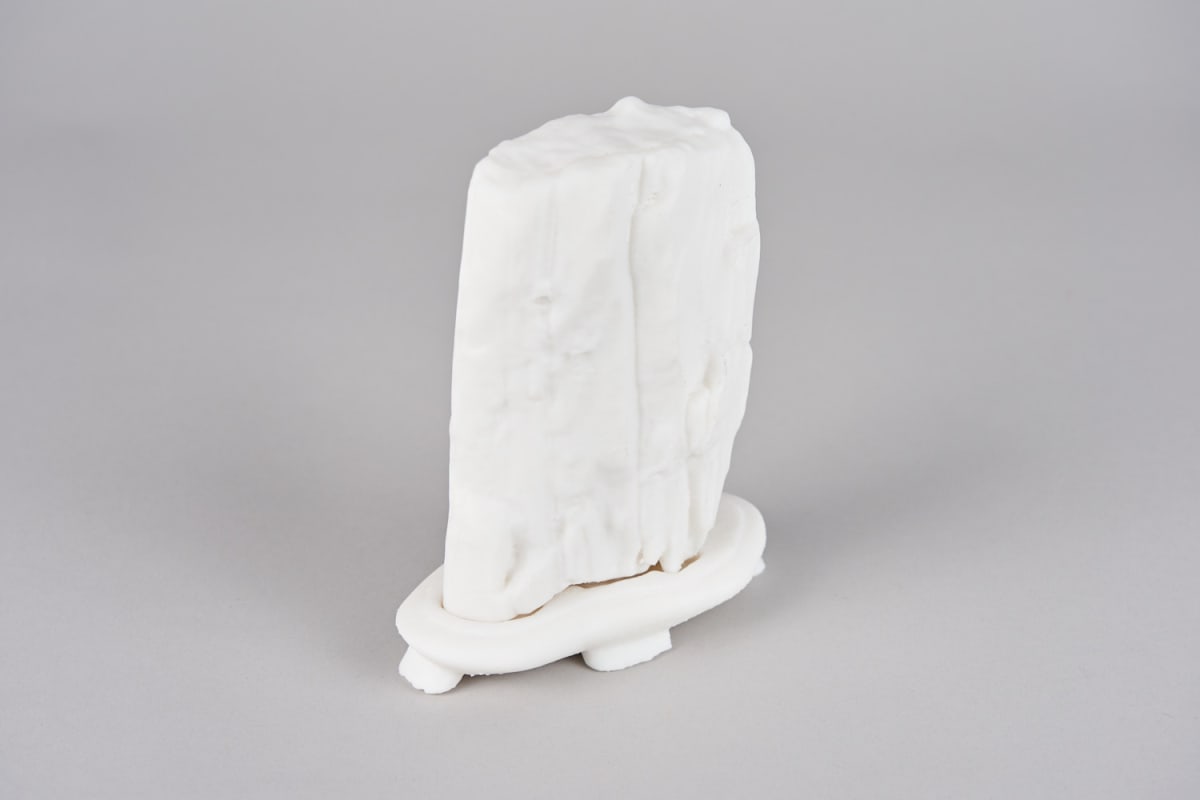
Scholar’s Stone

Entered the collection 2022
Artificial scholar’s stone. Resin replica of a rejected prop produced for the film Parasite
3rd Class: Inscription 9

This artificial scholar’s stone was produced as a prop for the Academy Award-winning film Parasite (2019) and later rejected during production. Cast in resin to resemble a traditional scholar’s stone, it entered Wunderkammerkŏri as a replica of an object that itself imitates a natural form.

For centuries, scholar’s stones were prized in East Asia for their unusual shapes and their ability to inspire contemplation. Traditionally collected from nature, they occupied a place between geological specimen and work of art. This rejected film prop extends that tradition through contemporary means, blurring distinctions between nature and artifice, original and copy, cultural artifact and cinematic illusion. Its inclusion in the collection reflects the Wunderkammer’s long-standing fascination with objects that challenge certainty and classification.

5. Console
Yonsei University Cup and Saucer
entered the collection 2021
porcelain cup and saucer, 10 x 14 cm
submitted by Dr. Horace and Mrs. Nancy Underwood
1st Class: Inscription 2

The Yonsei University Cup and Saucer was presented to Nancy and Horace Underwood upon their retirement from Yonsei University in 2004. The gift marked the end of more than 120 years of teaching by members of the Underwood family at the university, beginning with the first Underwood’s arrival in Korea in 1885.

The object also reflects a personal relationship between the donors and the founder of Wunderkammerkŏri. During a Fulbright research fellowship in Seoul in 2000, one of the founder’s earliest extended stays in South Korea, Horace Underwood, then Executive Director of the Korean-American Educational Commission (Fulbright Korea), and Nancy Underwood offered support, care, and a sense of belonging during a difficult period. Over time, they became part of the founder’s extended family in Korea, offering care, guidance, and a sense of belonging during a formative period of life.

One of a pair, the second cup and saucer remains with the Underwood family. By donating its counterpart to Wunderkammerkŏri, the Underwoods created a lasting connection between their family and the collection.

6. Console
Play Outfit and Fan
Entered into the collection 2022
Submitted by Anonymous
Play polyester Qipao and play plastic fan, 87 x 66.5
4th Class: Inscription 11

This play qipao and fan were gifted to the donor by a lover in Hong Kong. What initially appeared to be a romantic gesture became, in her words, a moment of profound disappointment. The objects revealed a fantasy in which she was cast not as a partner, but as a fetishized East Asian doll, shaped by stereotypes and projections rather than genuine intimacy.

For the donor, the gift came to symbolize a larger realization about race, gender, desire, and belonging. The cheaply manufactured costume evoked the entangled histories of global manufacturing, racialized fantasies, and the commodification of Asian femininity. At the same time, the experience became a moment of solidarity, connecting personal disappointment to broader experiences shared by many Asian women and femmes. Preserved within Wunderkammerkŏri, the objects stand as evidence of a painful but formative encounter whose absurdity, the donor hopes, will one day belong to the past.

7. Console
Cicada Snuff Bottle

entered the collection 2020
glass, 1.5 x 7 x 2.5 cm
submitted by Yvonne Rainer
2nd Class: Inscription 1

This glass snuff bottle in the form of a cicada was submitted by choreographer, filmmaker, and educator Yvonne Rainer. For the founder, the cicada evokes memories of childhood summers in Michigan: long afternoons spent outdoors listening to their distinctive calls while sitting beneath the shade of a tree. At the same time, the cicada carries a rich symbolic history throughout East Asia, where it has long been associated with longevity, renewal, and transformation. The object also recalls Yvonne Rainer’s own artistic trajectory. Over the course of her career, Rainer moved between dance, filmmaking, writing, and performance, continually reinventing her practice while remaining one of the most influential figures in each field. Like the cicada, the object came to represent cycles of growth, change, and renewal.

7. Console
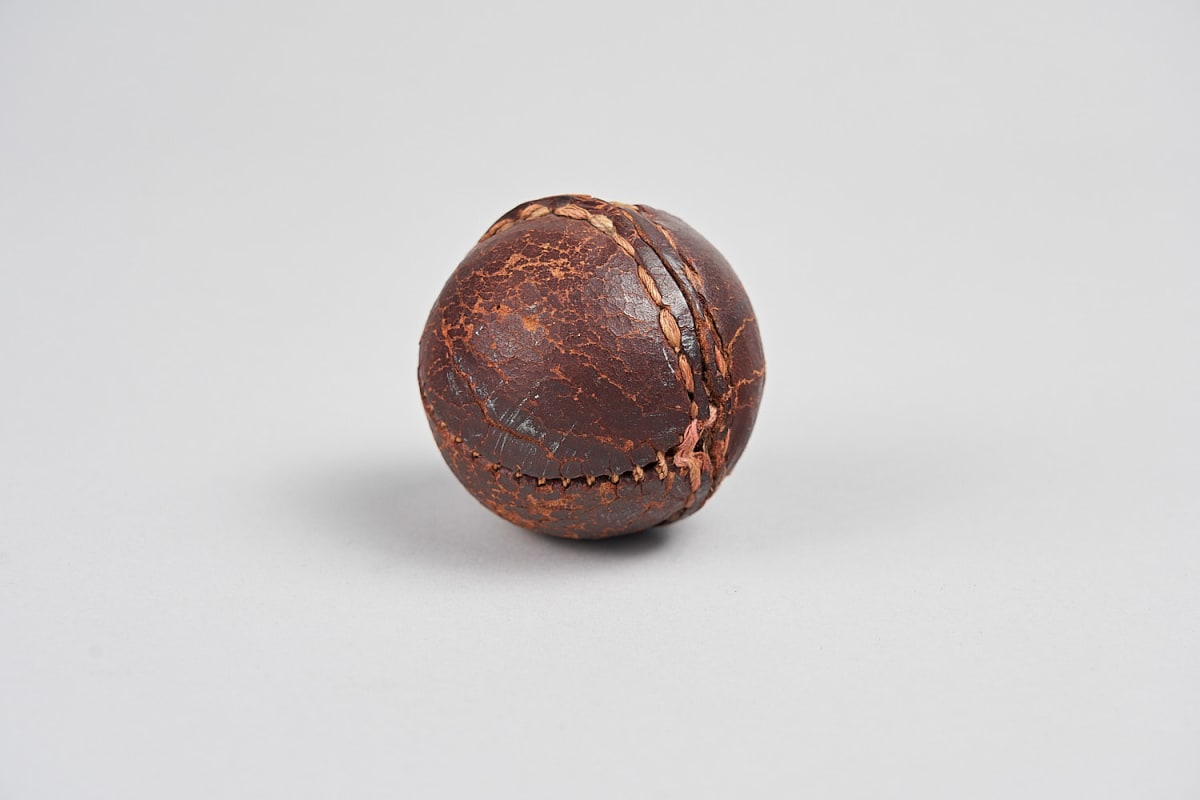
1976 Ball

entered the collection 2020
leather, diameter 20 cm
submitted by Yvonne Rainer
4th Class: Inscription 3

This leather ball was submitted by choreographer, filmmaker, and educator Yvonne Rainer, one of the first contributors to Wunderkammerkŏri. Rainer found the ball in Berlin while participating in the DAAD Artists-in-Berlin Program. Years later, while researching Rainer’s film Journeys from Berlin/1971, the founder learned that Rainer had been living in West Berlin as a DAAD fellow in 1976, the same year the founder was born in South Korea. The discovery created an unexpected connection between the object, the city of Berlin, and two lives that would intersect decades later when Rainer became the founder’s professor. Although the ball’s original history remains unknown, it acquired new significance through these overlapping trajectories. Within Wunderkammerkŏri, it serves as a reminder that objects often gather meaning as they move between people, places, and generations.

7. Console
Windows on the World Restaurant Matches from the World Trade Center

entered the collection 2020
matches, 0.75 x 6 x 3 cm
submitted by Martha Gever
4th Class: Inscription 11

This matchbook originates from Windows on the World, the restaurant located at the top of the North Tower of the World Trade Center in New York City.

Submitted by writer and media theorist Martha Gever, one of the earliest contributors to Wunderkammerkŏri, the object serves as a material reminder of a place that no longer exists. What was once an ordinary and disposable item acquired a different significance after the attacks of September 11, 2001.

8. Console
Filthaut Family Fossil

Entered the collection 2022
Submitted by the Georg Filthaut
Fossil (Geological Era: Paleozoic), 19 x 14 x 9 cm
3rd Class: Inscription 11

This fossil was collected by Katharina and Gerhard Filthaut, who spent many years searching for fossils and learning from professionals how to identify and understand their finds. Over time, they assembled cabinets filled with specimens gathered through their explorations and shared their enthusiasm for the natural world with their family.

Following their deaths, the collection was inherited by their sons and daughters. This fossil entered Wunderkammerkŏri through Georg Filthaut, the uncle of the founder’s partner, and reflects a family tradition of collecting, learning, and passing objects from one generation to the next.

The object embodies both deep geological time and a more recent family history of curiosity, observation, and care.

9. Console
Faux Fossil

Entered the collection 2024
Submitted by Alec McCleod
Stone, 5 x 10 x 7 cm
3rd Class: Inscription 11

As a child growing up near Deansboro, New York, Alec MacLeod spent countless hours searching the fields around his home for treasures. One day he discovered a brown stone that he believed to be the fossilized shell of an ancient animal. Thrilled by the find, he added it to a small collection that included a trilobite brought home by his sister from a geology field trip. Years later, a friend pointed out that the object was most likely a fragment of concrete formed around a ridged pipe.

Although the object lost its status as a fossil, it never lost its wonder. MacLeod continued to keep it, preserving not only the stone itself but also the memory of his first encounter with it. An artist who has long created his own cabinets of curiosities, he describes himself as an animist and believes that objects acquire meaning through human attention and belief. In his words, while the object is surely not a fossil, “its spirit has caught that essence. Its kami believes itself to be a fossil.”

After decades in his studio cabinet, the Faux Fossil entered Wunderkammerkŏri as a reminder that curiosity often begins not with certainty, but with imagination.

10. Console
Hwatu Cards
Entered the collection 2024
Submitted by Jeffrey  Yoo Warren (유제푸)
Handmade Hwatu cards created by Jeffrey’s mom, 2.25”x 1.5”x 0.75”
4th Class: Inscription 8
5th Class, Inscription 1
5th Class, Inscription 8

These handmade hwatu cards were created by the donor’s mother over the course of several years. Drawing one month at a time, she gradually produced a complete deck, which her son later compiled and printed. The cards emerged from a period in which mother and son were learning new ways to care for one another and reconnecting through shared cultural practices.

Although often associated with Korea today, hwatu cards belong to a much longer history of exchange and adaptation. Their visual language developed through centuries of travel across Asia and Europe, evolving through Chinese, Korean, Japanese, Portuguese, and other card traditions before arriving in their contemporary form. For Jeffrey Yoo Warren, the deck serves as a reminder that games, like people, migrate, transform, and carry stories across borders.

The donor recalls owning a set of hwatu cards as a child without fully understanding their meanings. Only later did he learn to play with his mother and begin exploring the remarkable histories embedded within the deck. Within Wunderkammerkŏri, the cards function simultaneously as a family collaboration, a tool for play, and a record of cultural transmission across generations and continents.


10. Console
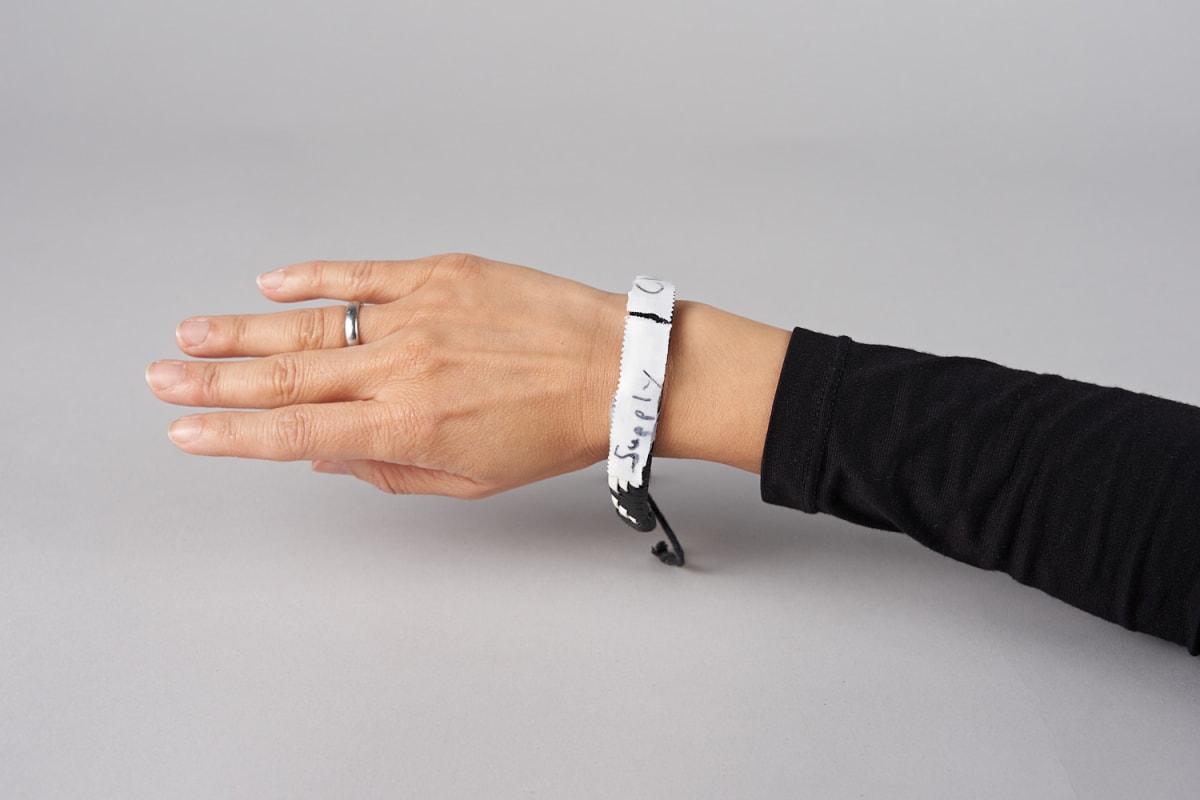
Supply Chain Bracelet
Entered into the collection 2022
Submitted by Justin Pyun
Handmade Bracelet, 8.89 x 7.62 x 0.8 cm
2nd Class: Inscription 3

This bracelet was given to Justin Pyun by his grandfather during a visit to South Korea in the summer of 2020. A simple accessory made of artificial leather, it became a cherished reminder of his grandfather’s affection and remained a valued personal possession long after the trip ended.

Pyun titled the object Supply Chain because it embodies a complex network of exchanges spanning continents and generations. The bracelet’s woven black-and-white pattern reminded him of decorative motifs found in Native American beadwork, while its manufacture likely traces back to contemporary production networks in China or Southeast Asia. The object thus connects histories of trade, migration, craft, and consumption across multiple cultures and time periods.

For the donor, the bracelet also reflects the circulation of people and identities. In describing the object, Pyun connects its journey to questions of family history, Korean heritage, adoption, and cultural rediscovery. Within Wunderkammerkŏri, the bracelet functions not only as an ornament but as a material record of the pathways through which objects, ideas, and people move through the world.

10. Console
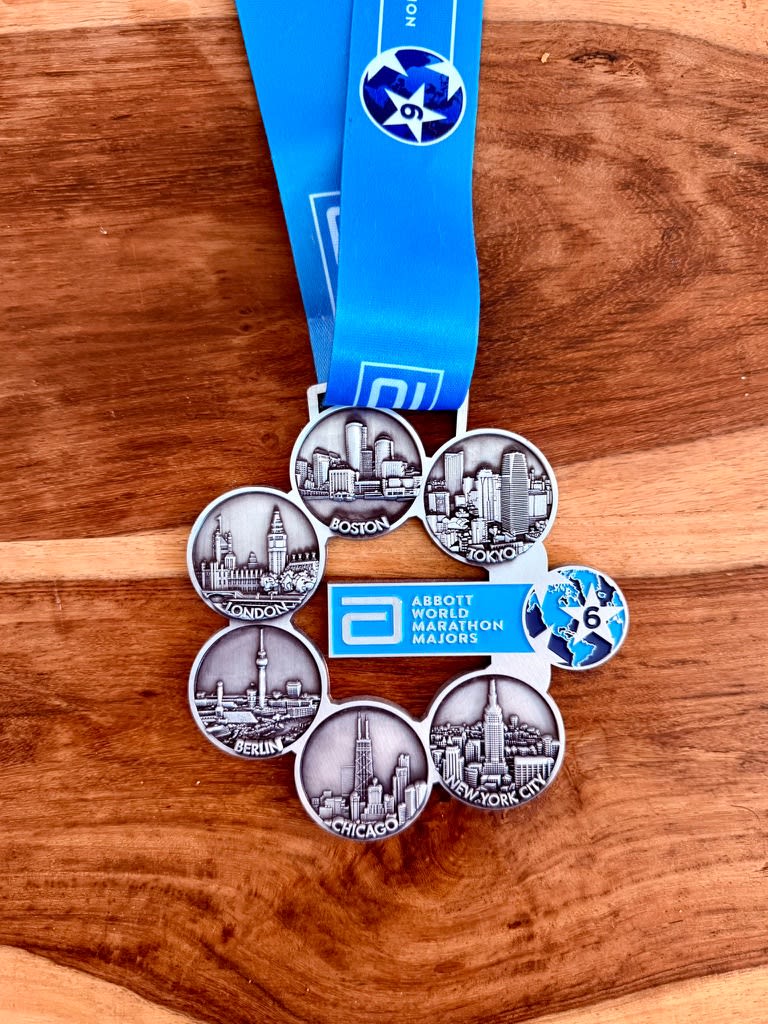
Abbott World Marathon Majors Medal
Entered into the collection 2026
Submitted by Sébastian Cadet
Medal, 50 x 10 x 2 cm
4th Class: Inscription 8

The Abbott World Marathon Majors Six Star Medal is awarded to runners who complete the six original World Marathon Majors: Tokyo, Boston, London, Berlin, Chicago, and New York City. Sébastian Cadet received this medal in Tokyo after finishing the final race required to complete the series, the culmination of years of training, travel, discipline, and perseverance across multiple continents. Each star represents not only a marathon but also a distinct place, challenge, and experience.

For Cadet, the medal became more than a record of athletic achievement. The journey was shared with his friend Alex, whom he met through the global running community. Over the years, the two encouraged one another across oceans and time zones, eventually completing the Six Star journey together. Following Alex’s death in 2025, the medal came to represent not only endurance and commitment but also friendship, community, and chosen family.

Within Wunderkammerkŏri, the medal functions as both a sporting artifact and a memorial object. It bears witness to the ways physical endurance can create lasting human connections and how ordinary objects can continue to carry the presence of those no longer with us.

Note: iphone photograph by the artist, professional photo coming soon

11. Console
Mama Jean’s Taiwanese Qipao

Entered the collection 2022
Submitted by Jenny Lin
Qipao, 94 x 44 x 2 cm
4th Class: Inscription 11

This qipao was commissioned in Taiwan in 1971 by Shu-in Lin and her husband as an engagement gift for their future daughter-in-law, Jean Roman. Shu-in selected the fabric and worked with a local tailor, who constructed the garment according to measurements dictated across continents by her son, Pei-teh Lin, translating both language and units across a long-distance telephone call. The finished dress then traveled from Taipei to Gainesville, Florida, where it entered the life of the woman who would later become the donor’s mother.

Over the following decades, the qipao passed from Jean to her daughter Jenny, accompanying multiple moves across the United States and appearing in artistic projects and photographic works. As an inherited garment, it carries the traces of migration, family history, and intergenerational care.

For the donor, the qipao represents more than a family heirloom. A garment shaped by centuries of cultural exchange, it embodies the movement of people, ideas, and identities across national boundaries. Jenny Lin writes of the qipao’s ability to challenge assumptions about cultural ownership, purity, and belonging, particularly as a mixed-race Taiwanese American woman who proudly wears it.

Within Wunderkammerkŏri, the qipao functions simultaneously as an article of clothing, a family inheritance, and a record of transnational kinship. It preserves not only the memory of those who wore it, but also the journeys that brought it into being.

12. Console
There’s no place like home (Korea)

Entered the collection 2022
Created by the founder
Resin replica of the original artwork, 6.5 × 7 × 25 cm
2nd Class: Inscription 3

Created by the founder in 2022, There’s No Place Like Home (Korea) is a resin replica of an earlier artwork. The title references the famous phrase from The Wizard of Oz, reimagined through the perspective of an adoptee searching for connection to a homeland known first through absence, imagination, and desire.

Part souvenir, part monument, and part personal talisman, the work reflects on the powerful idea of “home” and the ways it can be constructed through memory, longing, and cultural inheritance. For diasporic subjects, home may exist simultaneously as a physical place, a family history, a political reality, and an imagined destination.

Within Wunderkammerkŏri, the object functions as both a crafted artifact and a symbolic marker of return. It asks whether home is a place one finds, a place one remembers, or a place one continually creates.

13. Console
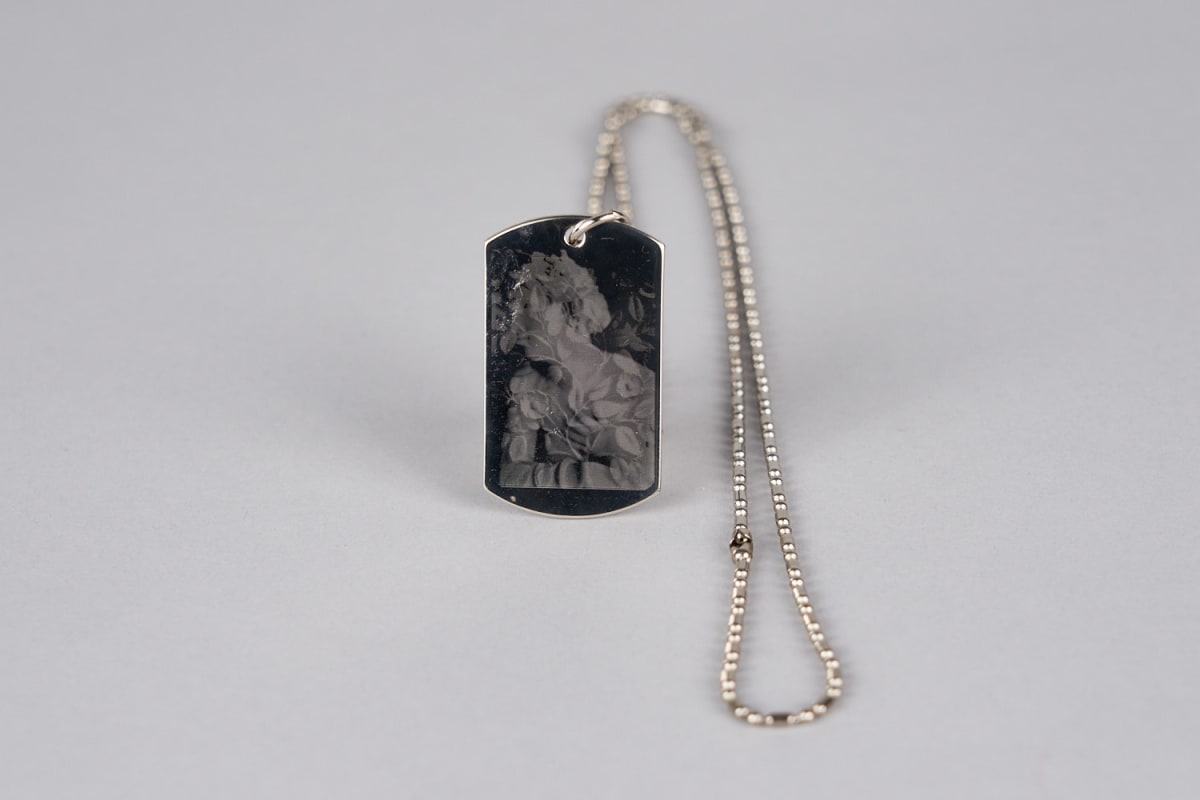
Dog Tag Necklace with Roses
Entered the collection 2023
Submitted by S.A. Bachmann
Woman artist made necklace, 4.8 × 2.9 × 0.1 cm
5th Class; Inscription1
5th Class: Inscription 2

This necklace was created by an underrepresented woman artist during the 2010s and gifted to the donor, who had known her for more than forty years. Following the artist’s sudden death in 2021, the object took on an additional significance as a tangible connection to a long friendship and a creative life that ended too soon.

Combining the form of a military dog tag with the motif of roses, the necklace brings together symbols of strength, vulnerability, memory, and care. Although small in scale, it carries the traces of its maker’s hand and artistic vision.

The donor described the artist as remarkable and insufficiently recognized during her lifetime. Preserved within Wunderkammerkŏri, the necklace serves not only as a personal keepsake but also as a tribute to an artist whose work and legacy continue through those who remember her.

13. Console
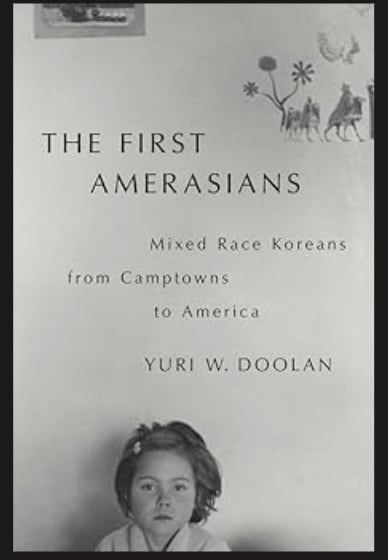
The First Amerasians: Mixed Race Koreans from Camptowns to America
Entered the collection 2025
Submitted by Yuri Doolan
Authored by Yuri Doolan
5th Class: Books

The First Amerasians: Mixed Race Koreans from Camptowns to America entered Wunderkammerkŏri in 2025 through historian Yuri W. Doolan. The book examines the lives of mixed-race Koreans born in the context of the U.S. military presence in South Korea and documents histories that have frequently been neglected or excluded from official accounts.

Combining archival research with personal narratives, Doolan traces the complex intersections of race, migration, citizenship, family, and belonging. His work contributes to a growing body of scholarship dedicated to recovering overlooked histories within Korea and its global diaspora.

As a book concerned with visibility, historical absence, and the recovery of marginalized voices, it occupies a natural place within Wunderkammerkŏri. Like many objects in the collection, it asks who is remembered, who is forgotten, and how stories survive across generations.

Note: screenshot photo by the artist, professional photo coming soon

14. Console
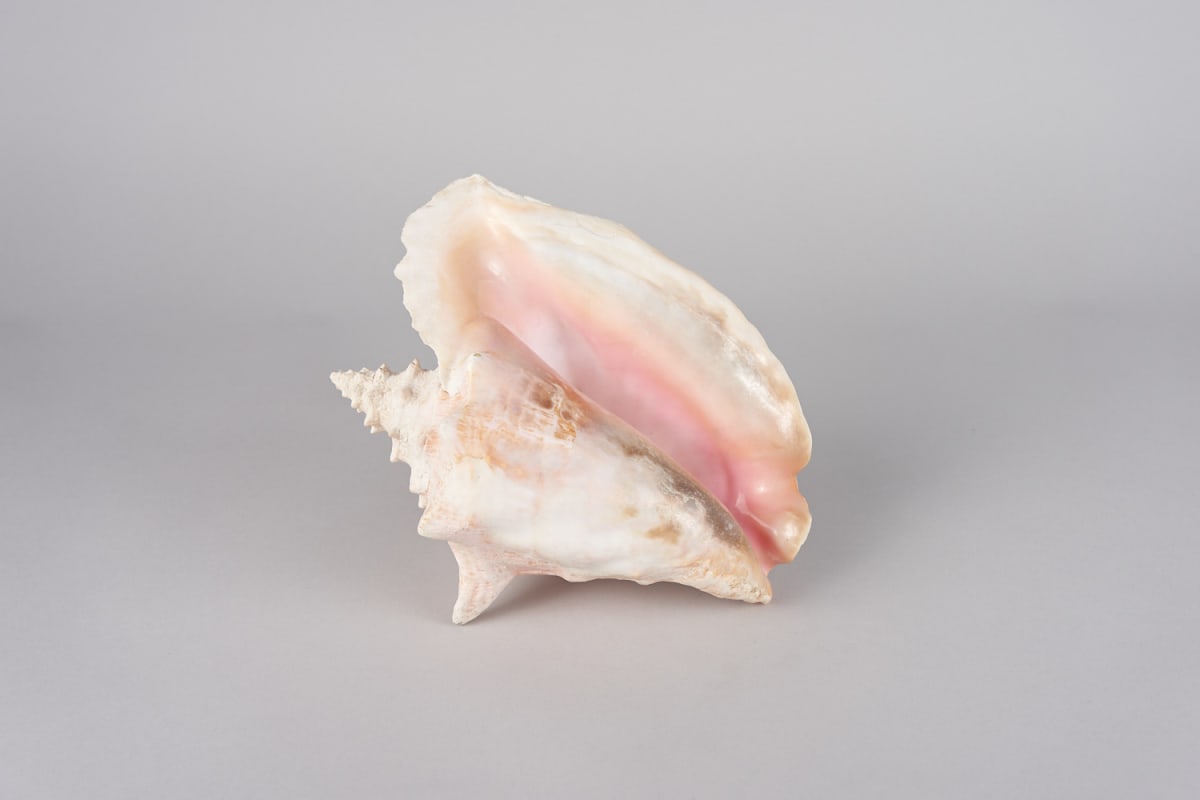
Conch
Entered the collection 1985
Submitted by Michael
Conch shell from Jamaica, 15 x 26 x 17 cm
3rd Class: Inscription 2

This conch shell was collected on a beach in Jamaica in 1985 by a traveler named Michael, who later gifted it to the founder before returning home. Preserved for four decades, it entered Wunderkammerkŏri as an example of the natural specimens that have long occupied a central place within cabinets of curiosity.

Valued for its spiraling form, sculptural presence, and intricate surface, the shell exemplifies the kinds of natural marvels that inspired generations of collectors. Removed from its marine environment and carried across international borders, it became both a specimen and a souvenir.

Within the collection, the conch serves as a reminder that acts of collecting often begin with simple encounters: a walk along a beach, a remarkable discovery, and the decision to preserve an object that might otherwise have been left behind.

15. Console
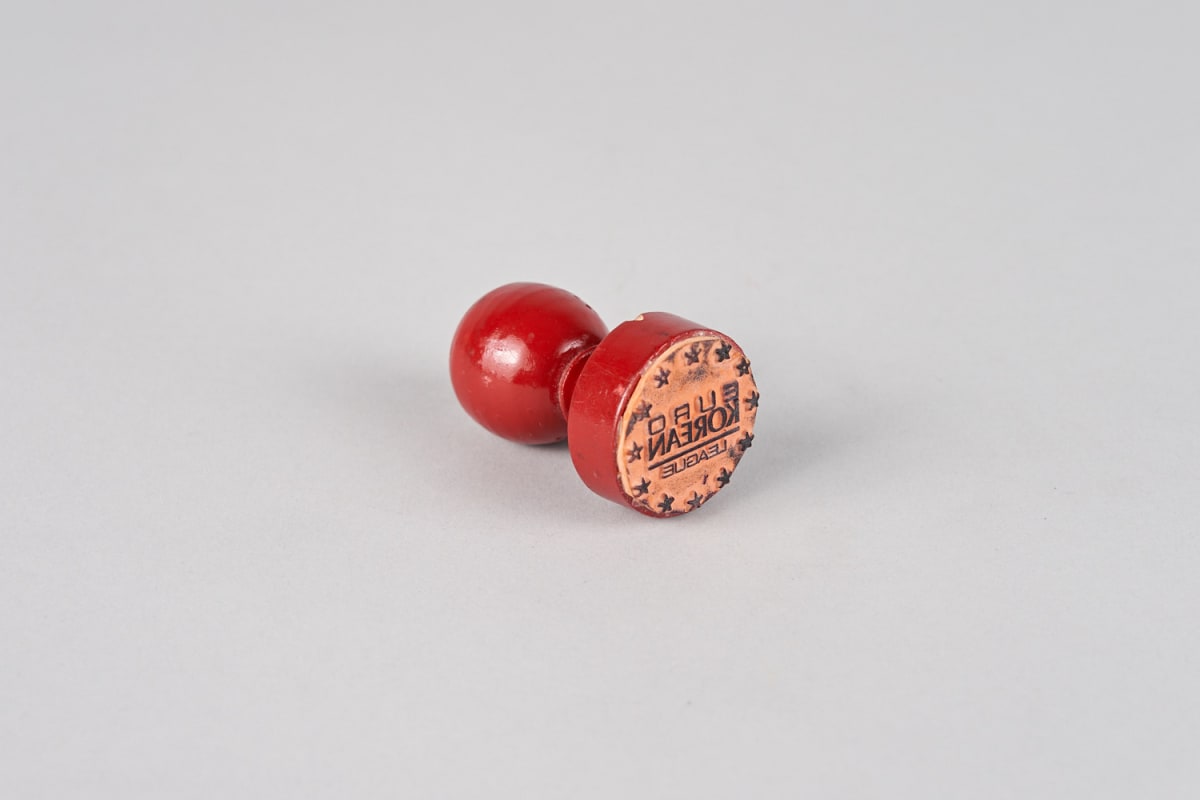
European-Korean League Stamp
Entered the collection 2022
Submitted by byol kimura-lemoine
Stamp, 6 x 3,5 x 3,5 cm
2nd Class: Inscription 1

This stamp was created in 1991 for the European-Korean League, the first Korean adoptee association in Belgium. Used to authenticate documents and correspondence, it served as a practical tool for an emerging community of Korean adoptees seeking connection, mutual support, and collective visibility.

Though modest in scale, the stamp represents an important chapter in adoptee history. Long before social media and digital networks, organizations such as the European-Korean League provided spaces where adoptees could meet one another, share experiences, and begin constructing communities across national borders.

Within Wunderkammerkŏri, the stamp functions as both an administrative object and a historical artifact. Each impression it produced marked not only a piece of paper but also the existence of a community. Preserved today, it bears witness to the enduring role of kinship in the formation of adoptee networks and diasporic belonging.

15. Console
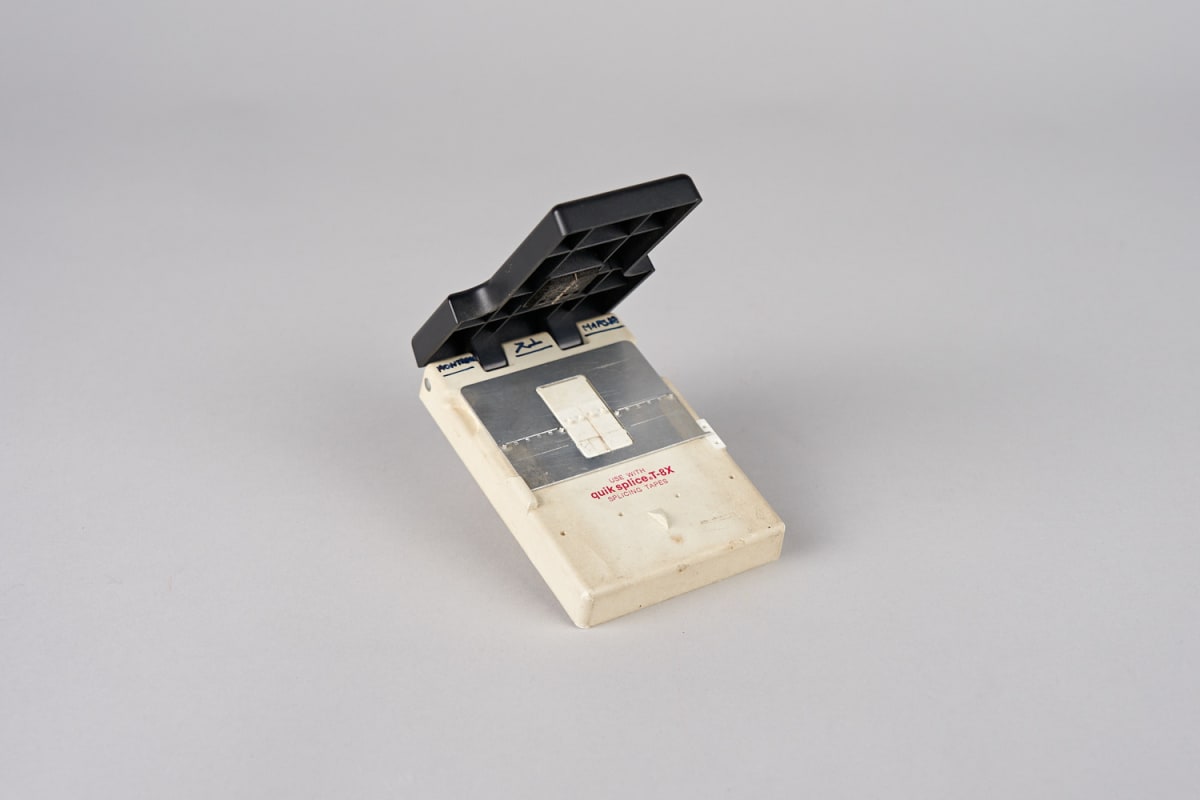
Quick Splice T-8x
Entered the collection 2022
Submitted by byol kimura-lemoine
Film splicer, 3 x 8 x 11 cm
4th Class: Inscription 3

The Quick Splice T-8x is a film splicer manufactured in Germany and used to join strips of motion picture film. Before digital editing, devices such as this were essential tools for assembling moving images by hand.

Artist byol kimura-lemoine received the splicer from the coordinator of the Brussels Multimedia Center during a workshop in March 1988. Preserved for more than three decades, it entered Wunderkammerkŏri as both a technical instrument and an archival object.

Designed to connect separate fragments into a continuous sequence, the splicer embodies a process of joining. Within the collection, it reflects the intertwined ideas of archive and kinship identified by its donor: the preservation of fragments and the relationships that bind them together.

16. Console
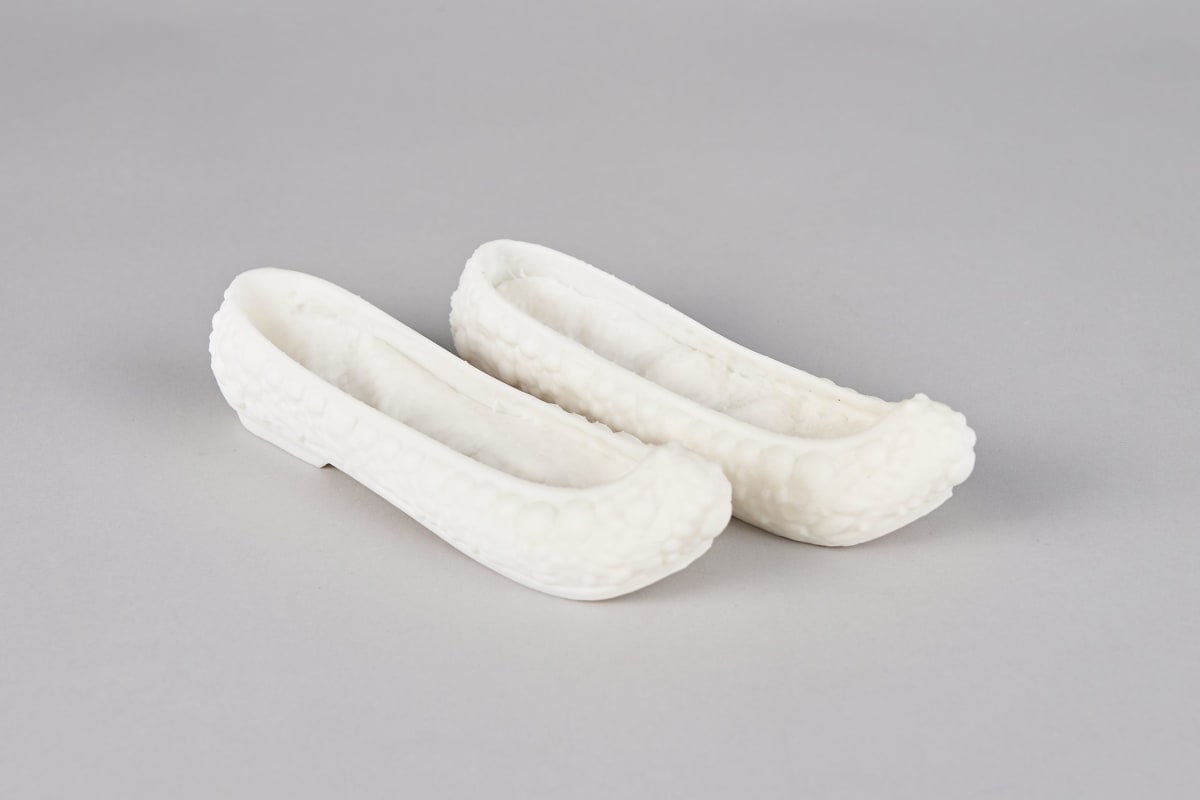
Danghye Shoes

Entered the collection 2022
Submitted by byol kimura-lemoine
Silk and leather traditional Korean shoes , 6.5 × 7 × 25 cm
4th Class: Inscription 11

These traditional Korean silk and leather shoes were given to byol kimura-lemoine by their birth mother during a reunion in South Korea in 1991. Their birth mother told them that they could wear the shoes one day when they married. Byol never married and never wore the shoes. Instead, they kept them for more than three decades because of their emotional value.

17. Console
Guillermo Rojas and Angelica Ashimine
Entered the collection 2023
Submitted by william cordova
Archival photograph, 10.5 x 15 cm
5th Class: Inscription 1

This photograph depicts Guillermo Rojas and Angelica Ashimine, relatives of the artist william cordova. The image was preserved by Cordova’s cousin, Emperatriz Rojas, and survives today only as a digital reproduction. The original photograph, like many documents relating to the family’s history, has been lost.

For Cordova, the photograph serves as evidence of the cultural complexity of his family’s roots, which include Afro-Peruvian, Andean, and Asian lineages. It documents relationships and histories that are often obscured through migration, displacement, and the gradual loss of family archives.

The image also reflects broader questions about memory, ownership, and preservation. Existing only as a copy of a lost original, it occupies an uncertain space between document and artifact. Within Wunderkammerkŏri, the photograph functions as both a family portrait and a record of histories that persist even when the material evidence has disappeared.

18. Console
Craig’s Gift
Entered the collection 2022
Submitted by Jennifer Kwon-Dobbs
South Korean die-cast robot toy (Sun Vulcan Robo variant), Clover Co., South Korea, c. 1981–1984, 14.5 x 9 c 3.5 cm
2nd Class: Inscription 1
4th Class: Inscription 8

This South Korean die-cast robot toy was manufactured in the early 1980s and purchased at Seoul’s Shinsegae Department Store. More than three decades later, it was given to writer Jennifer Kwon Dobbs by a fellow Korean adoptee named Craig, whom she met in Seoul in 2011. Through a mutual friend, the two shared stories of childhood, identity, belonging, and their experiences as members of the Korean adoptee diaspora.

At the conclusion of Kwon Dobbs’s visit to Korea, she reunited with her birth parents after a thirteen-year search. Shortly afterward, Craig unexpectedly contacted her in Minnesota and presented the toy as a gift intended for her future child. Though reluctant to accept an object that had accompanied him throughout his own childhood, she recalls that Craig insisted it should belong to a Korean child.

Soon after, Craig disappeared from her life. Despite repeated attempts, Kwon Dobbs has been unable to locate him. For more than a decade she preserved the toy, regarding it as a reminder of a missing friend, an older brother figure, and the bonds formed between adoptees across distance and time.

Within Wunderkammerkŏri, Craig’s Gift functions simultaneously as a childhood toy, a diasporic artifact, and a testament to adoptee kinship. Preserved in the absence of its original owner, it bears witness to acts of care, generosity, and connection that endure even when people themselves disappear from view.

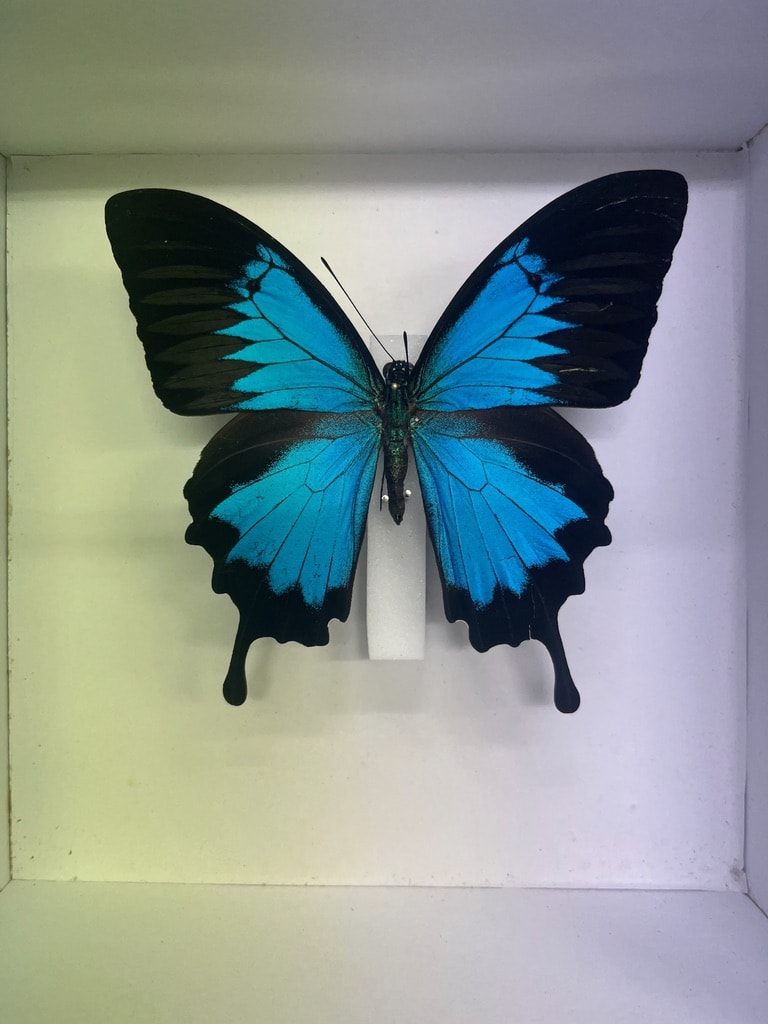
19. Console
Papilio Ulysses
Entered the collection 2026
Submitted by Uta Rahman Steinert
Butterfly specimen, 17.5 x 17.5 x 8 cm
3rd Class: Inscriptions 1

Papilio Ulysses entered Wunderkammerkŏri through curator Uta Rahman Steinert and originates from her late father’s collection. Preserved as part of a family inheritance, the specimen links personal history with the long tradition of collecting and studying the natural world.

Known for its vivid iridescent blue wings, Papilio ulysses has fascinated naturalists and collectors for generations. Like many specimens once found in historical Wunderkammern, it occupies a space between scientific observation and aesthetic wonder.

Note: iphone photo by the artist, professional photo coming soon

Within the collection, the butterfly serves as both a natural marvel and a hand-me-down. Its survival across generations reflects the care, curiosity, and acts of preservation through which collections are formed and sustained.

20. Console
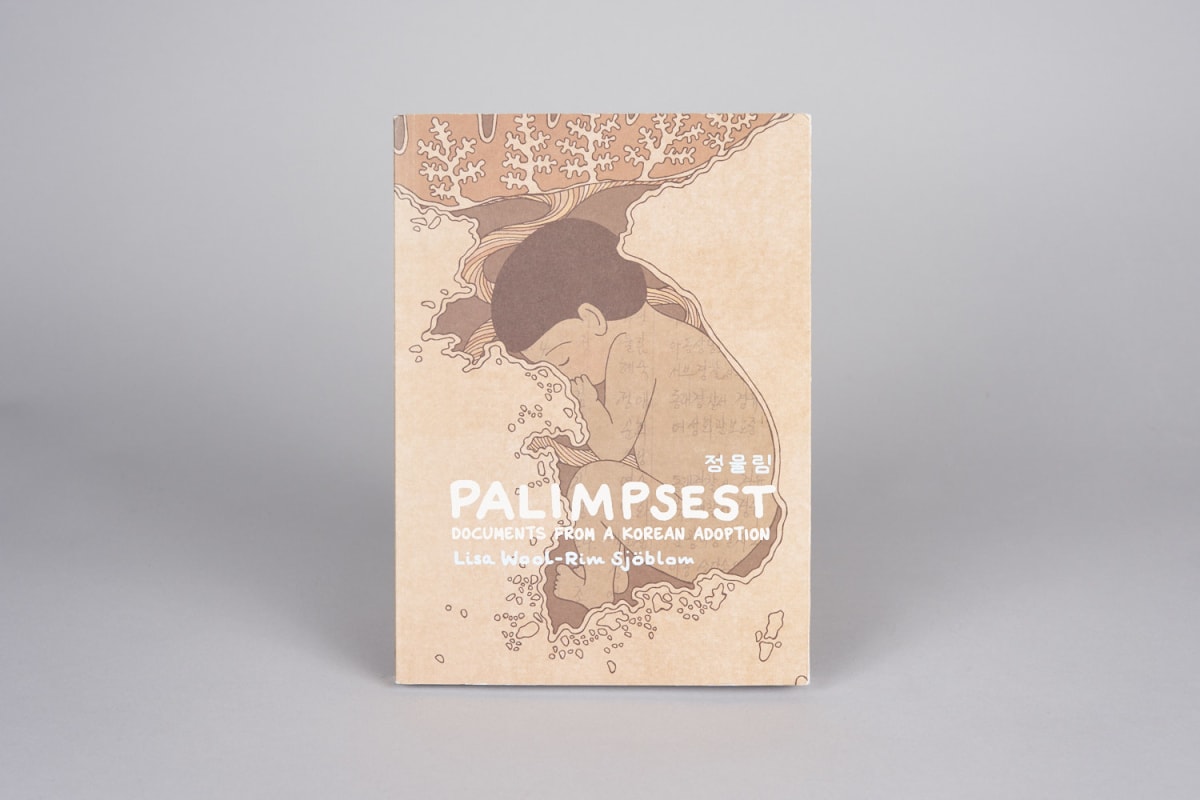
Palimpsest: Documents from a Korean Adoption
Entered the collection 2024
Created by Lisa Wool-Rim Sjöblom
Graphic novel, 17.0 × 1.6 × 23.8 cm
5th Class: Inscription 1
5th Class: Inscription 3
5th Class: Books

Published in Swedish in 2016 and translated into English in 2019, Palimpsest: Documents from a Korean Adoption is a graphic memoir by artist and author Lisa Wool-Rim Sjöblom. Developed over several years, the book combines personal testimony, archival research, and documentary evidence to examine the histories and practices of transnational adoption.

Through text and image, Sjöblom traces how identities can be constructed, altered, obscured, or erased within adoption systems. The work addresses questions of family separation, record keeping, institutional power, and the lasting consequences of decisions made on behalf of children. Since its publication, investigations in numerous countries have brought renewed attention to illegal and unethical adoption practices, reinforcing many of the concerns raised in the book.

Within Wunderkammerkŏri, Palimpsest functions simultaneously as a work of art, a historical document, and a witness account. Its title refers to a manuscript that has been written over while retaining traces of earlier texts beneath the surface. In a similar way, the book reveals the layers of history, omission, and recovery that shape many adoptee lives. Dedicated to adoptees whose voices have been silenced, it stands as both testimony and act of remembrance.

21. Console
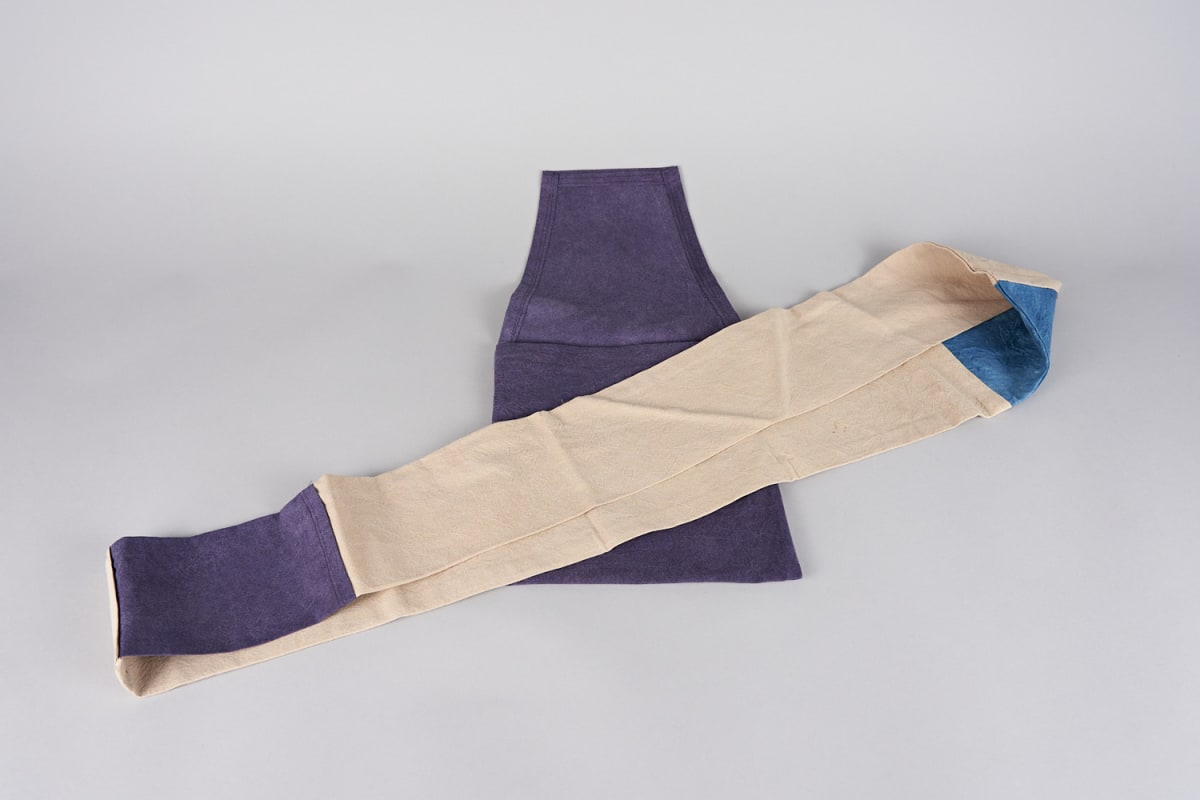
Mobius Robe
Entered the collection 2023
Created and submitted by Sandy de Lissovoy
Hand-dyed textile wearable sculpture, 12.7 x 91.44 cm
Class 4: Inscription 11

The Mobius Robe is a hand-dyed textile wearable sculpture created by artist Sandy de Lissovoy. Constructed from muslin dyed with indigo, walnut, and logwood, the work originated as a model for a larger fabric sculpture. After the larger piece was completed and the model dismantled, the remaining material was transformed into an entirely new form.

The work takes the shape of a Möbius strip, a surface with only one side and one continuous edge. De Lissovoy cites Lygia Clark’s Caminhando (Walking) (1963) as an important influence, particularly its emphasis on process, participation, and continual transformation. For the artist, the Möbius form suggests an endless cycle of creation, discovery, return, and renewal.

Unlike a rigid sculptural object, the Mobius Robe remains soft and mutable. Its form is activated through handling, wearing, and movement. The artist proposed that it be placed around the necks of many different people and photographed over time, allowing the object to connect individuals through a shared act of participation. Within Wunderkammerkŏri, the Mobius Robe functions as both garment and sculpture. Through its looping structure and continual capacity for transformation, it embodies ideas of connection, circulation, and return.

22. Console
Flag for the Transnational Intellectuals
Entered the Collection 2022
Submitted by Kyunghee Pyun
Bojagi, 38 x 38 cm
Class 5: Inscription 8

Flag for the Transnational Intellectuals entered the collection in 2022 through art historian Kyunghee Pyun. The bojagi was given to her in 2020 by Youngna Kim, former Director of the National Museum of Korea, during Pyun’s Fulbright residency at Seoul National University. Conceived as an artist’s work, it was intended to be shared with future students through the teaching of Korean and Asian art.

Constructed from colorful fragments of fabric joined through intricate needlework, the work draws upon the Korean tradition of bojagi. Historically, bojagi were often assembled from remnants of cloth that might otherwise have been discarded, transforming fragments into useful and beautiful objects. Their compositions frequently combine improvisation, economy, and remarkable technical skill.

For Pyun, the work’s seemingly disorderly arrangement of colors and forms reflects the experiences of transnational lives and intellectual exchange. The many pieces coexist without losing their individuality, forming a larger whole through connection rather than uniformity.

Within Wunderkammerkŏri, the bojagi functions simultaneously as textile, gift, and metaphor. Like the communities it evokes, it is constructed from distinct histories, cultures, and journeys that are stitched together through acts of care, knowledge, and friendship.

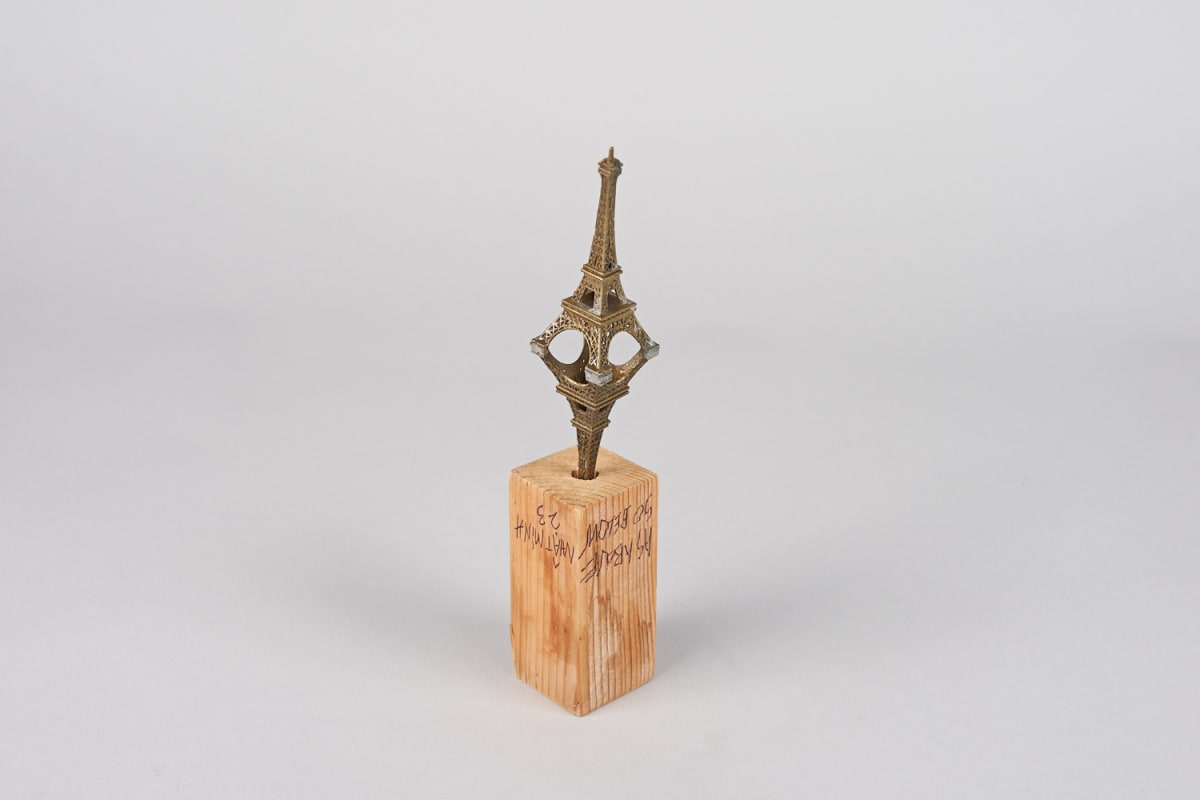
23. Console
Untitled (Paris)
Entered the collection 2023
Submitted by Viet Le
Created by Viet Le, Chương Đại, Frédéric Sanchez (AKA Nhật Minh)
Wood and metal sculpture, 22.5 x 4.5 x 4.5 cm
5th Class: Inscription 1
5th Class: Inscription 2

Created in Paris by Viet Le, Chương Đại, and Frédéric Sanchez (also known as Nhật Minh), Untitled (Paris) emerged from a dinner conversation that moved between metaphysics, healing practices, and shared cultural histories. Constructed from wood and metal, the small sculpture was conceived as a collaborative object and exchange between friends.

According to Viet Le, the work was inspired by Vietnamese and Southeast Asian traditions of reciprocity: if one receives something, one should also give something in return. The object was created in the context of a healing ritual and came to function as a symbolic instrument of exchange, care, and transformation.

Though modest in scale, the sculpture preserves a particular moment in time. It serves as a material record of conversation, collaboration, and friendship, embodying ideas that emerged through collective reflection rather than through the work of a single maker.

Within Wunderkammerkŏri, Untitled (Paris) functions as both artwork and talisman. It bears witness to the ways meaning can arise through encounter, exchange, and the shared creation of something unexpected.

24. Console
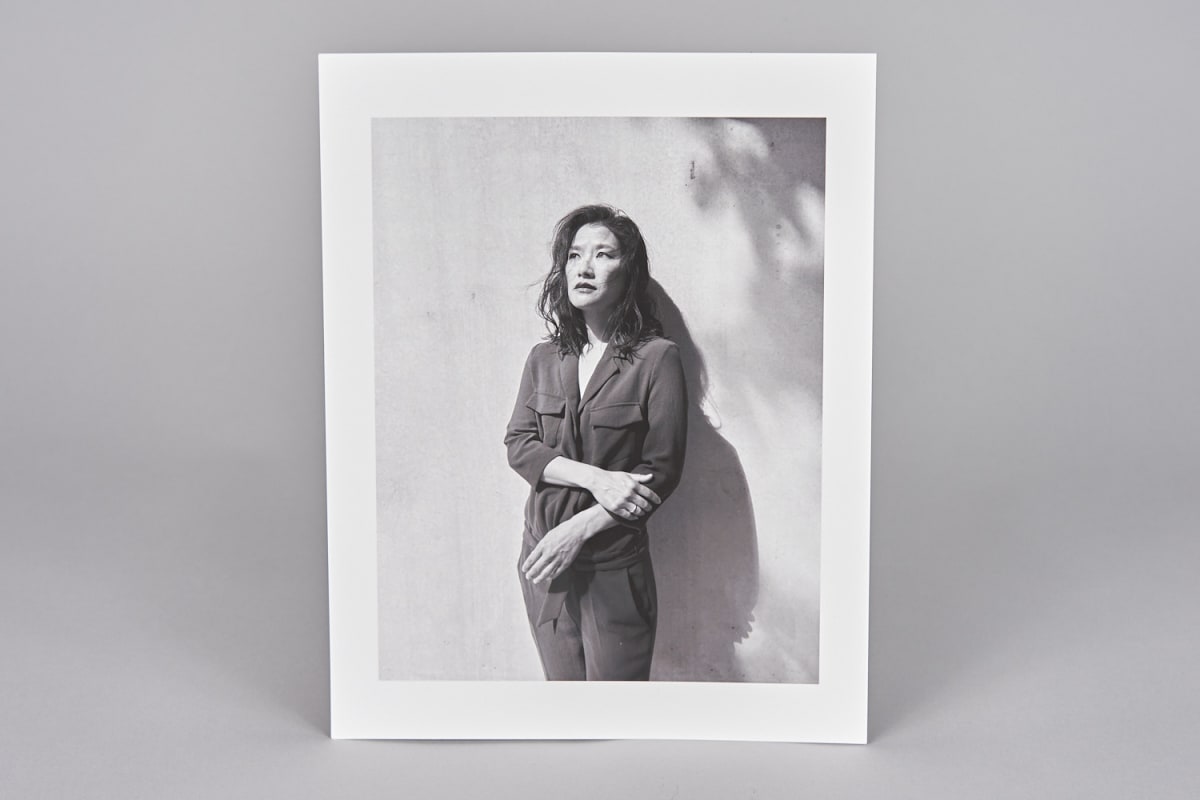
Portrait of the Founder
Entered the collection 2022
Commissioned by the founder, created by Ibi Ibrahim
Photograph on Hahnemühle paper, A4 size
1st Class: Inscription 3
5th Class: Inscription 1

Commissioned by the founder in 2022, this portrait was created by photographer Ibi Ibrahim following a two-person exhibition in which both artists participated. Produced as a formal representation of the founder, the work occupies a central place within Wunderkammerkŏri’s system of classification.

Portraiture has long played an important role in cabinets of curiosity, where images of collectors, patrons, and founders established both authorship and authority. At the same time, every portrait is a collaboration between subject and maker, reflecting not only how a person appears but also how they are seen by another. Printed on Hahnemühle paper, the photograph functions as both artwork and document. It records a particular moment in the founder’s life while also acknowledging the artistic relationship from which the image emerged. Within Wunderkammerkŏri, the portrait serves as one of the principal representations of the founder, linking the collection to the individual whose experiences, questions, and acts of gathering brought it into being.

25. Console
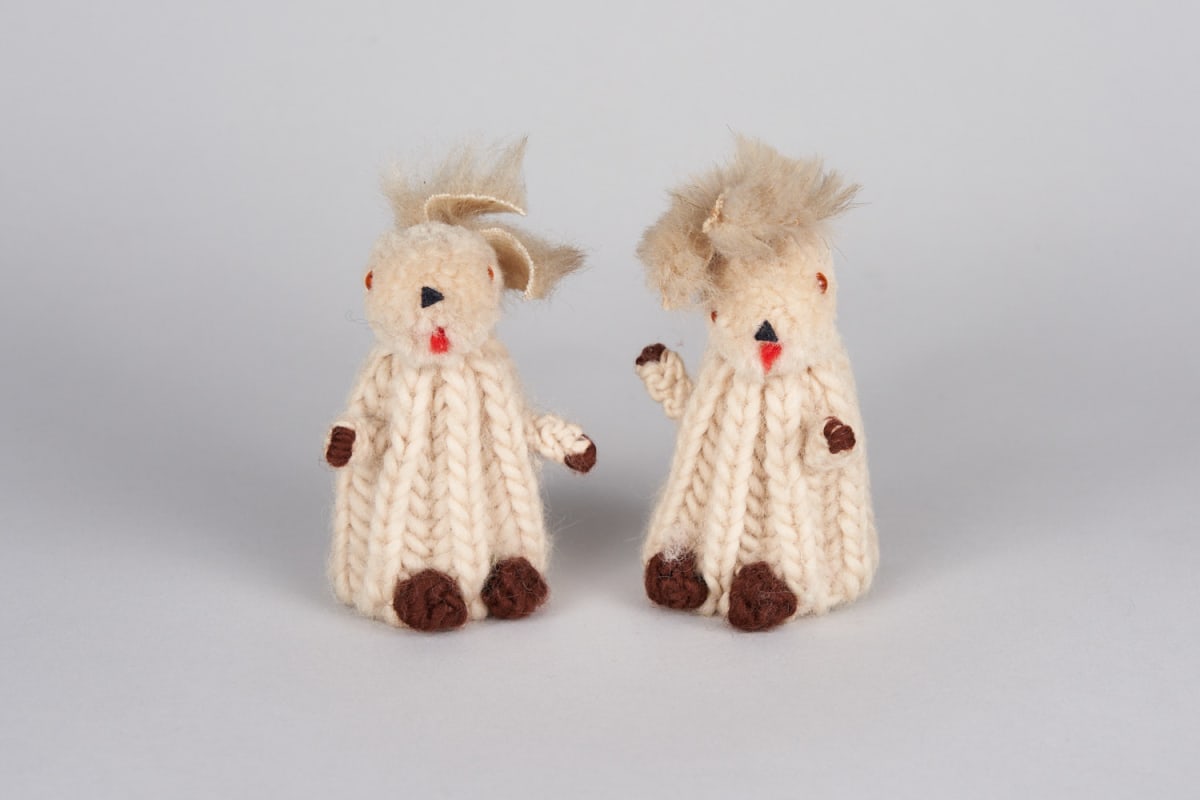
Grandmother’s Knitted Rabbits
Entered the collection 2026
Submitted by Noemi Molitor
Hand-knitted egg warmers
2nd Class: Inscription 3
4th Class: Inscription 11

These hand-knitted rabbit-shaped egg warmers entered Wunderkammerkŏri through Noemi Molitor in 2026. Created by her grandmother, they belong to a long tradition of domestic handicraft in which practical household objects are transformed through care, skill, and imagination.

Though modest in scale, the rabbits embody hours of labor and accumulated knowledge passed between generations. Their playful forms elevate an everyday object into something both functional and affectionate, reflecting the intimate relationship between making and family life.

Within Wunderkammerkŏri, the rabbits function as both crafted artifacts and hand-me-downs. Preserved beyond their original domestic purpose, they bear witness to the ways handmade objects carry personal histories across time, connecting generations through acts of creation, use, and remembrance.

26. Console
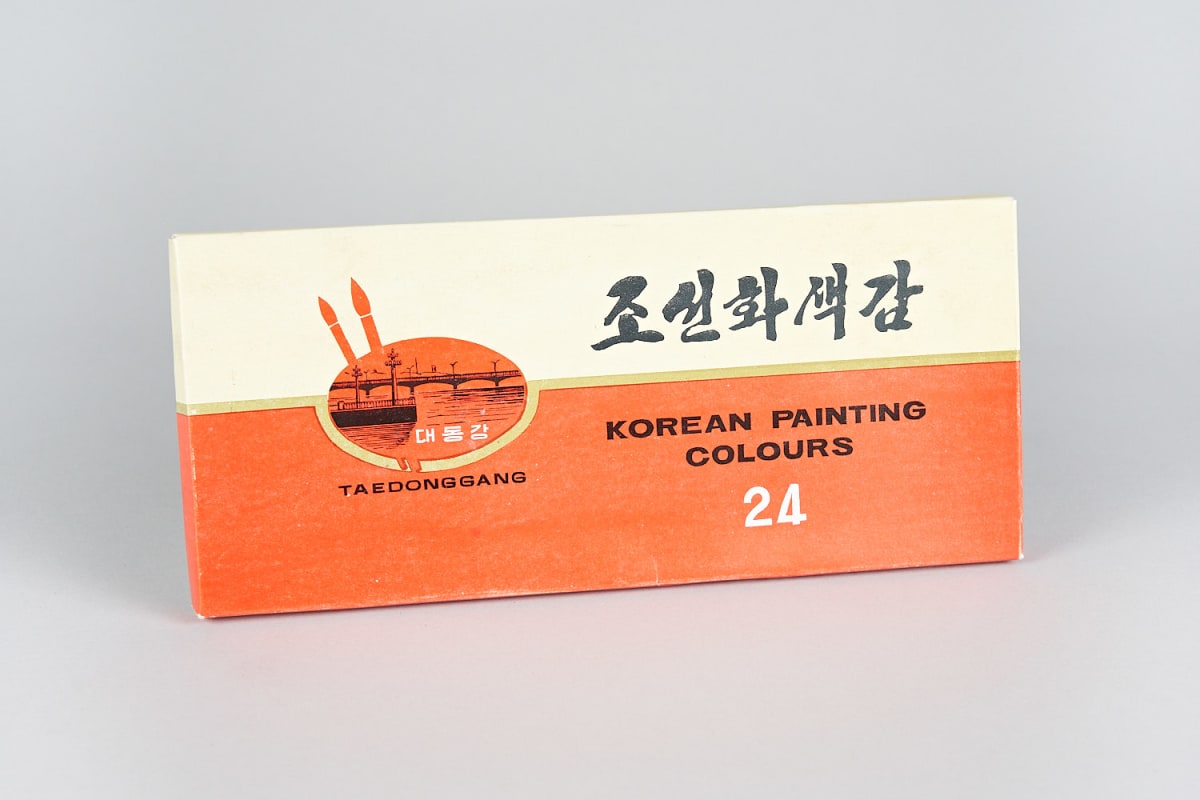
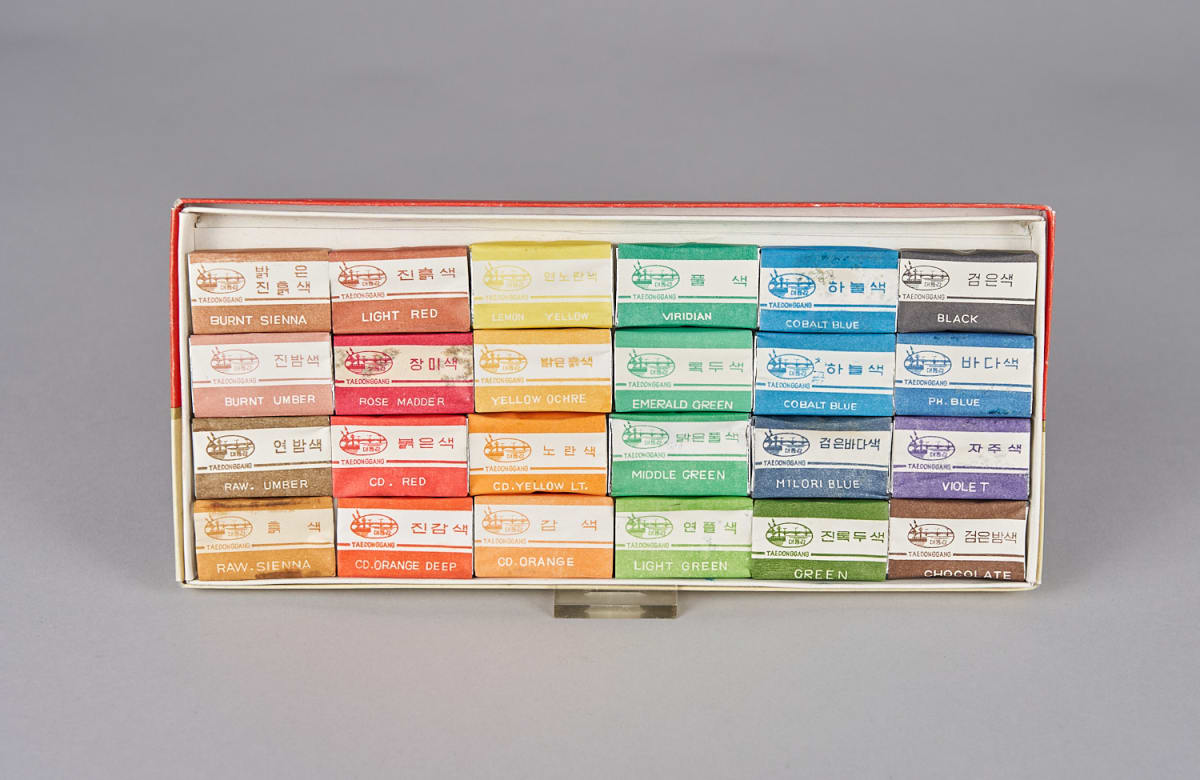
Watercolour Set from North Korea
entered the collection 2022
submitted by Jong-Hyoung Rhee
watercolour boxset, 13 x 28.5 x 2 cm
3rd Class: Inscription 10

This watercolor set was acquired in North Korea by Jong-Hyoung Rhee during a visit to family members living there. Brought back from a rare journey across a divided peninsula, the object entered Wunderkammerkŏri in 2022 as both an artist’s material and a witness to familial connection maintained despite political separation.

Consisting of pigments intended for painting and drawing, the set belongs to a long tradition of portable artistic tools that enable observation, study, and creative expression. At the same time, its place of origin distinguishes it from similar materials more commonly encountered elsewhere. Produced and purchased within North Korea, it offers a small glimpse into everyday material culture that remains largely inaccessible to many outside observers.

Within Wunderkammerkŏri, the watercolor set functions as both pigment and passage. Preserved not only for its practical purpose but also for the journey that brought it into the collection, it reflects the enduring significance of family relationships that continue across borders, histories, and political systems.

This watercolor set was acquired in North Korea by Jong-Hyoung Rhee during a visit to family members living there. Brought back from a rare journey across a divided peninsula, the object entered Wunderkammerkŏri in 2022 as both an artist’s material and a witness to familial connection maintained despite political separation.

Consisting of pigments intended for painting and drawing, the set belongs to a long tradition of portable artistic tools that enable observation, study, and creative expression. At the same time, its place of origin distinguishes it from similar materials more commonly encountered elsewhere. Produced and purchased within North Korea, it offers a small glimpse into everyday material culture that remains largely inaccessible to many outside observers.

Within Wunderkammerkŏri, the watercolor set functions as both pigment and passage. Preserved not only for its practical purpose but also for the journey that brought it into the collection, it reflects the enduring significance of family relationships that continue across borders, histories, and political systems.

27. Console
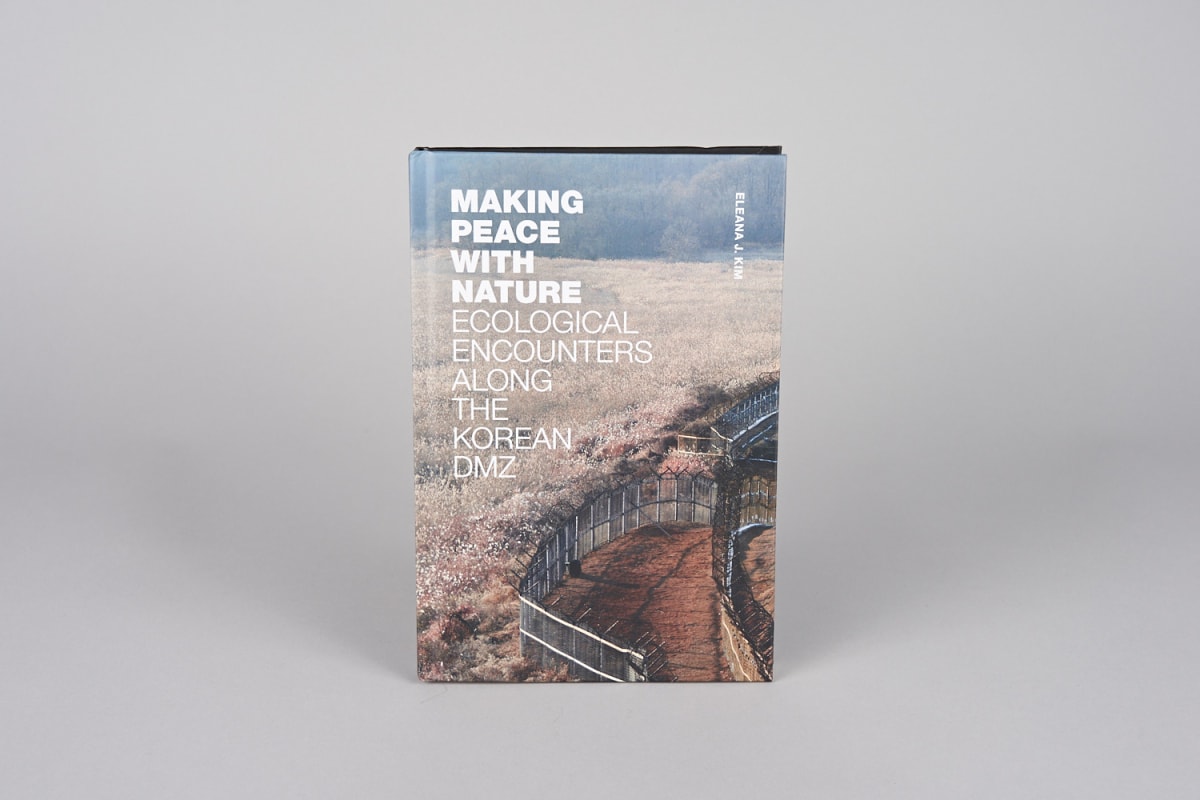
Making Peace with Nature: Ecological Encounters Along the Korean DMZ
Entered the collection 2022
Submitted by the author Eleana Kim
Book, 23.5 x 15.8 x 1.7 cm
5th Class: Books

Written by anthropologist Eleana Kim, this book is based on ethnographic studies of the rare ecologies of the Korean Demilitarized Zone. It chronicles some of the natural wonders found within and around the DMZ and explores the relationships between people, nature, and a landscape shaped by division.

28. Console
Portrait of Grace Lee Boggs
Entered the collection 2022
Commissioned  by the founder
Created by Sabrina Nelson
Watercolour painting, 25.4 x 25.4 cm
5th Class: Inscription 1
5th Class: Inscription 6

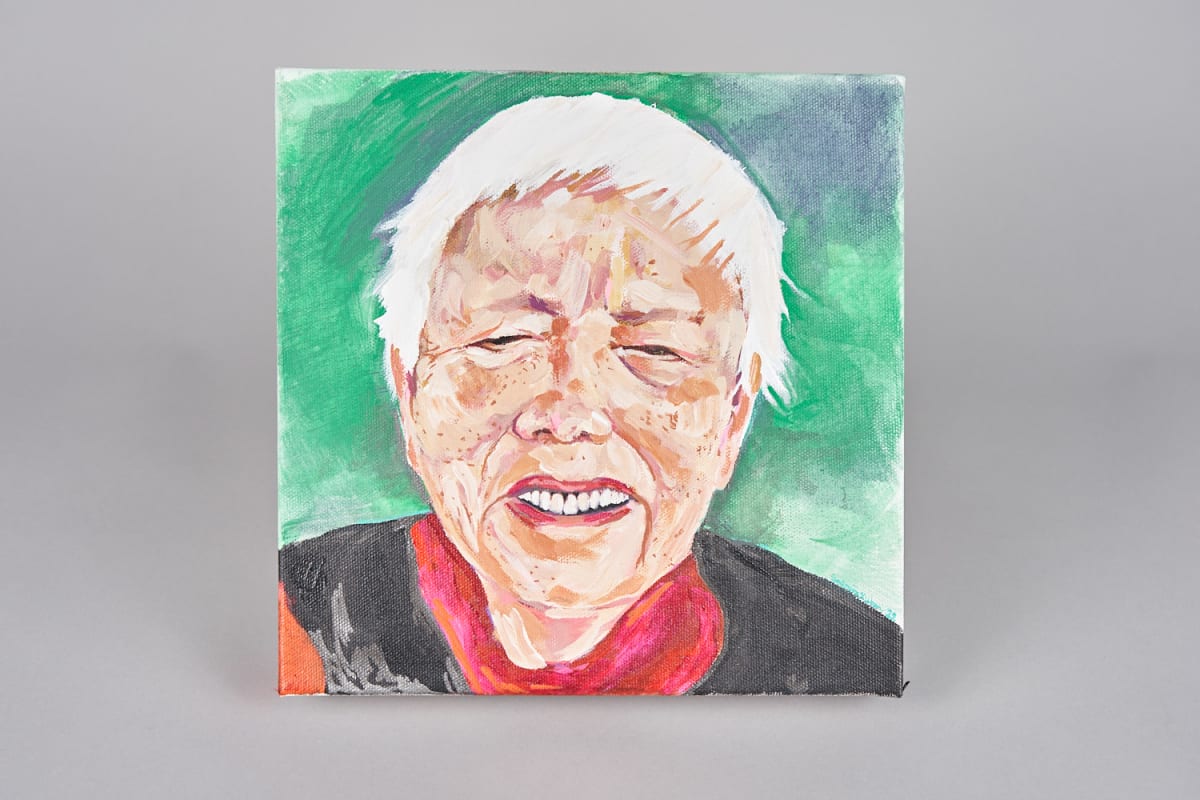
The founder first met Grace Lee Boggs while living in Detroit in the early 2000s through Detroit Summer and the Detroit Asian Youth Project. Over the following years, the founder had the opportunity to work alongside Boggs and occasionally accompany her on speaking engagements across the United States. Boggs’s commitment to social justice, intergenerational dialogue, and community organizing profoundly influenced the founder’s intellectual and political development. The portrait honors a mentor whose encouragement helped shape the founder’s understanding of education, activism, and the possibilities of social change.

29. Console
Small Pillow Made from Vintage Japanese Kimono
Entered the collection 2022
Submitted by Susie J. Pak
Silk, 3 × 20.3 × 2.5 cm
4th Class: Inscription 10

This small pillow was made in the United States from vintage Japanese kimono fabric and entered Wunderkammerkŏri through art historian Susie J. Pak. Handcrafted from repurposed textiles, it exemplifies the continued circulation of historic materials through contemporary forms of making.

Pak acquired the pillow from a small workshop specializing in objects and garments created from both vintage and modern Japanese fabrics. She was drawn to its handmade quality, thoughtful design, and particularly vibrant colors. The pillow shares its fabric with a jacket in her own collection, making the object not only a gift to the Wunderkammerkŏri but also a material connection between donor and founder.

The object also reflects larger questions surrounding the movement of cultural forms across national and ethnic boundaries. Produced by a company founded by a former Chinese art history professor and inspired by Japanese textile traditions, the pillow exists within ongoing conversations about cultural exchange, influence, consumption, and appropriation. Rather than offering a simple resolution to these questions, the object embodies the complexities of contemporary global culture.

Within Wunderkammerkŏri, the pillow functions as both textile artifact and gesture of friendship. Made from a fabric that has already lived one life and transformed into a new form, it reflects the exhibition’s broader themes of preservation, reuse, transmission, and care.

30. Console
If We Allow Him to Flourish
Entered the collection 2022
Commissioned by the Founder, created by Jamie Treacy
Watercolour painting, 25.4cm x 25.4cm x  3.81cm
5th Class: Inscription 1

Commissioned by the founder and created by artist Jamie Treacy in Oakland, California, If We Allow Him to Flourish is a watercolor painting depicting a dragon unlike those typically found in mythology. Rather than a fearsome creature of conquest and domination, Treacy presents a fragile being whose survival remains uncertain.

The artist describes the dragon as living under the threat of extermination within a harsh environment. In this context, the creature becomes a symbol of vulnerability rather than power. Its significance lies not in physical strength but in the possibility of growth, transformation, and resilience when care is extended rather than withheld.

Created for the founder, who was born in the Year of the Dragon, the painting acquires an additional symbolic resonance. The dragon may be understood not only as a mythological creature but also as an indirect portrait, embodying themes of survival, displacement, endurance, and self-realization. Rather than depicting triumph through force, the work suggests that flourishing depends upon the conditions that allow vulnerable lives to develop and thrive.

Within Wunderkammerkŏri, If We Allow Him to Flourish functions as both image and proposition. It asks what forms of life, creativity, and possibility might emerge when vulnerability is met with protection rather than threat. In doing so, it transforms the dragon from a symbol of power into a symbol of care.

(Not currently on display for conservation reasons)
Slice of a Unicorn Horn

Entered the collection 2023
Fossil specimen identified as a unicorn horn
3rd Class: Inscription 3

For centuries, unicorn horns occupied a privileged place within European cabinets of curiosity. Believed to possess protective and medicinal properties, they were displayed in princely collections, church treasuries, and early museums as evidence of one of nature’s most marvelous creatures. Many such specimens were later identified as narwhal tusks, fossil remains, or the horns of other animals. Yet the belief persisted.

This specimen entered Wunderkammerkŏri in 2023 and has been identified as a slice of a unicorn horn. Though its precise origin remains uncertain, its form, coloration, and remarkable preservation have encouraged continued speculation regarding its provenance.

Within the collection, the object occupies the productive territory between evidence and imagination. Like many wonders preserved in historical Wunderkammern, its significance lies not only in what it is, but in what it allows viewers to believe. Whether approached as fossil, relic, misidentification, or genuine unicorn remains, the specimen reminds us that curiosity often begins where certainty ends.

As long as the possibility remains, the unicorn cannot be entirely ruled out.

(Not currently on display for conservation reasons)
These are not books…
Entered into the collection 2022
Created by the founder
Inscribed wooden plaque, 15.4 × 35.5 cm
5th Class: Inscription 9

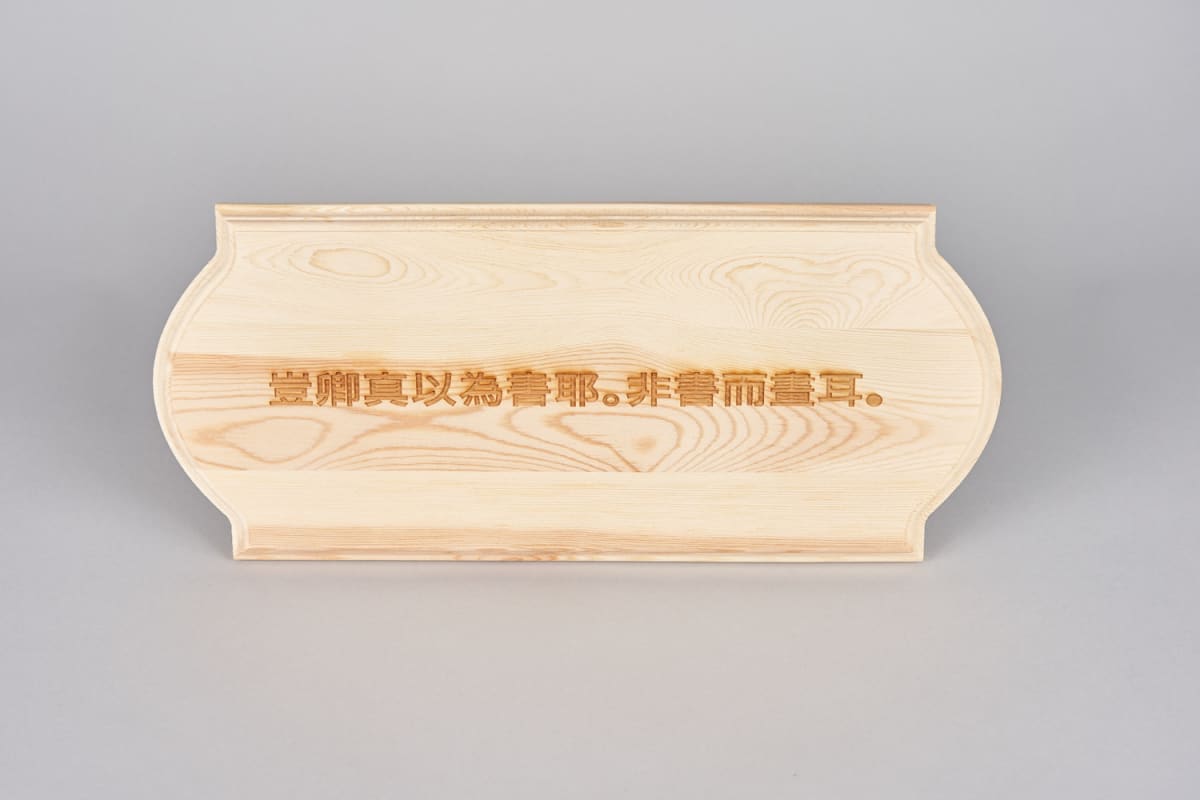
These are not books… is an inscribed wooden plaque created by the founder in 2022. The work reproduces a statement attributed to King Jeongjo (1752–1800), who is credited with popularizing the Korean still-life painting genre Munbangdo (문방도), or “scholar’s accoutrements paintings.” According to tradition, when viewing painted bookshelves, the king remarked: “You thought these were books? These are not books… this is a picture.”

The quotation refers to the distinction between an object and its representation. Although a painted bookshelf may appear to contain books, it contains only images of books. The statement anticipates later philosophical and artistic questions about illusion, perception, and representation, most famously explored in René Magritte’s 1929 painting The Treachery of Images, which bears the inscription: “This is not a pipe.”

Within Wunderkammerkŏri, the plaque functions as a declaration of the collection’s underlying logic. The objects gathered here are not simply things; they are also stories, symbols, surrogates, replicas, memories, and acts of interpretation. Like the painted books of a Munbangdo, they occupy an unstable territory between material reality and representation.

Created by the founder and positioned among actual books, artworks, and artifacts, These are not books… becomes self-referential. The founder assumes, in a sense, the position of King Jeongjo, drawing attention to the act of looking itself and reminding viewers that every collection is also a picture of a collection.

Item on loan returned 

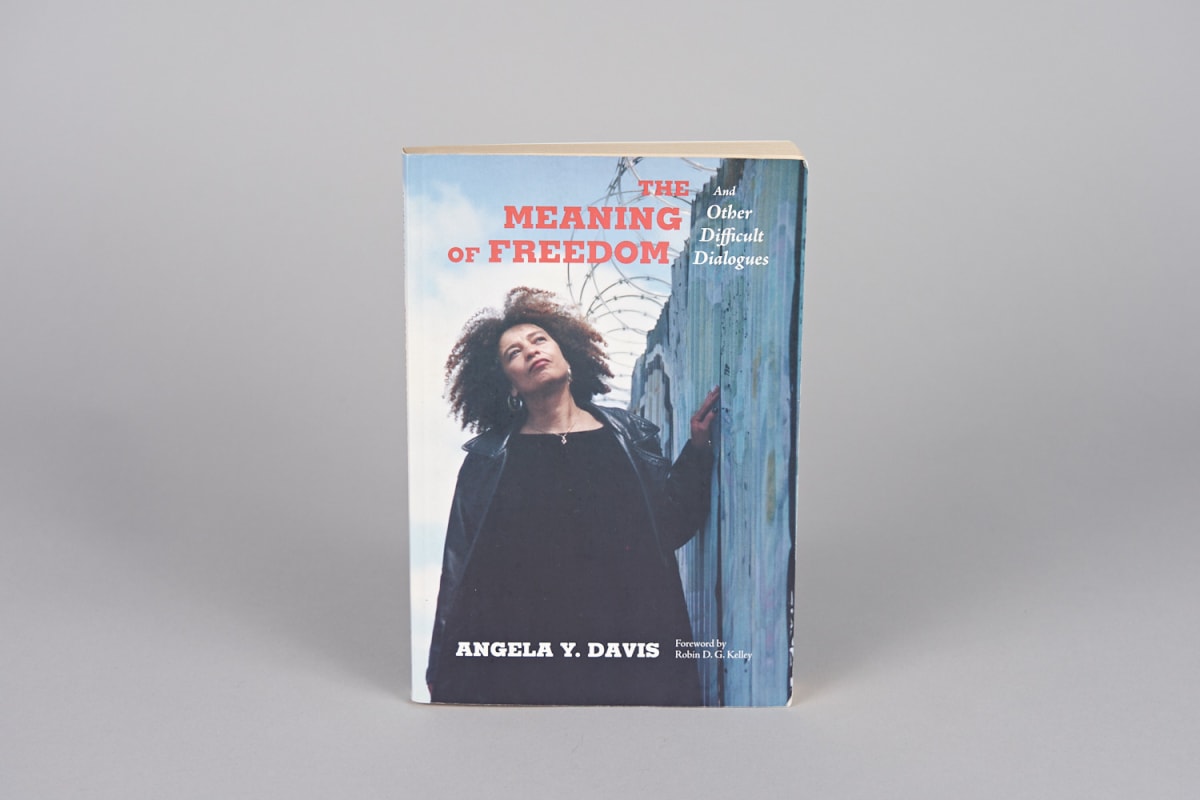
Angela Davis’s The Meaning of Freedom
Entered the collection 2022; returned 2024
Submitted by Smaran Dayal
Book, signed by Angela Davis, 8 × 5 × 0.5 in.
5th Class: Inscription 1
5th Class: Inscription 3

A signed copy of Angela Davis’s The Meaning of Freedom, this book entered Wunderkammerkŏri through writer and scholar Smaran Dayal. Purchased in Berlin and later signed by Davis at a queer-of-color activist gathering, the volume bears witness not only to the ideas contained within its pages but also to the communities through which those ideas circulate. At the gathering, hosted in Wedding, Dayal prepared vegan Indian food for participants, including Angela Davis and her partner Gina Dent.

Among Dayal’s most valued possessions, the book accompanied him through years of precarious housing and repeated relocation, traveling across the Atlantic from Berlin to New York and surviving numerous apartment moves. As a result, it became more than a text. It functioned as a constant companion and a material anchor connecting political commitments, personal history, and transnational networks of friendship and activism.

Within Wunderkammerkŏri, the book serves as both publication and artifact. Its significance lies not only in Angela Davis’s signature but also in the social worlds that surround it: activist gatherings, shared meals, intellectual exchange, and the relationships through which ideas move from person to person. Dayal describes it as one of the material traces of the context in which he came to know the founder, making the object simultaneously a record of political history and of friendship.

Though insured at the price printed on its cover, the donor described the book as “irreplaceable.” Its value resides not in rarity alone, but in the people, conversations, and commitments it continues to carry.